

Why Do I Wake Up Tired Even After a Full Night’s Sleep? Understanding Hidden Signs of Sleep Apnea
If you find yourself yawning through morning meetings or feeling drained despite sleeping eight hours, the cause might not be your schedule—it could be your sleep quality. Many adults and children experience sleep apnea, a condition that disrupts breathing during sleep, leaving the brain and body under-rested even when the night feels long. For more information, please contact us today or request an appointment online. We have convenient locations in Bloomington IL, Peoria/Dunlap IL, El Paso TX, and Wausau WI.
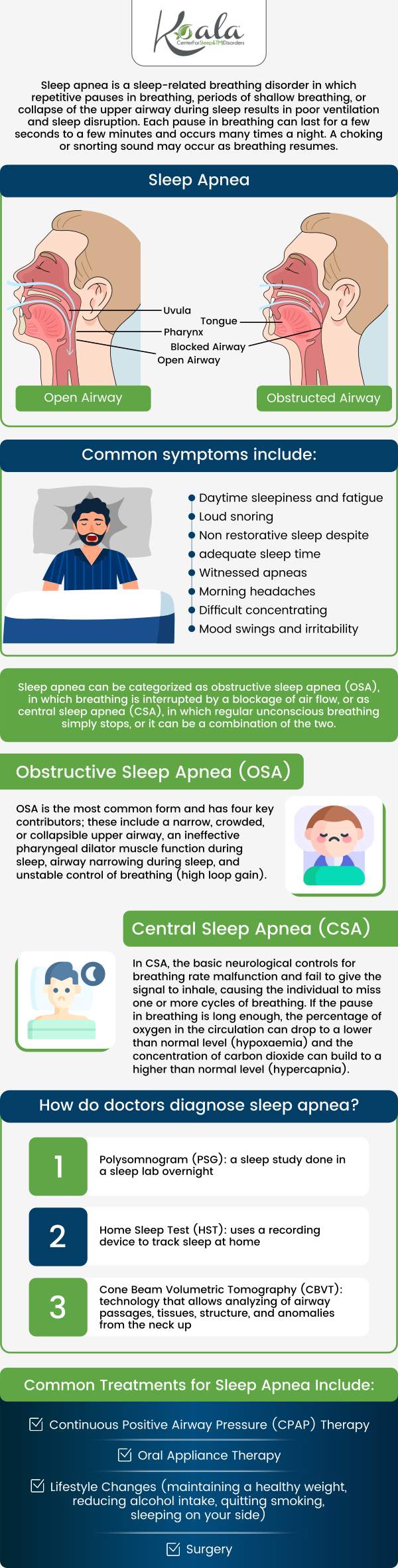
Table of Contents:
Can sleep apnea cause daytime fatigue even after a full night’s sleep?
What are the health risks associated with untreated sleep apnea?
What lifestyle factors can contribute to sleep apnea?
When should someone see a specialist for suspected sleep apnea?
How can Koala Center for Sleep & TMJ Disorders help determine if my fatigue is due to sleep apnea?
Personalized Sleep Apnea Care at Koala® Center for Sleep & TMJ Disorders
Quick FAQs
Yes. Sleep apnea causes repeated interruptions in breathing throughout the night. Each pause, often lasting 10 seconds or longer, prevents the body from entering deep, restorative stages of sleep. Over time, even a full night in bed does not equate to restorative sleep.
Patients at Koala Center for Sleep & TMJ Disorders frequently report feeling groggy upon waking, needing multiple cups of coffee to stay alert, or struggling to maintain energy during the day. In children, these interruptions may manifest as hyperactivity, irritability, or difficulty concentrating at school, which can sometimes be mistaken for attention-related disorders.
Ignoring sleep apnea can have serious consequences beyond fatigue. Untreated apnea is linked to:
● Cardiovascular problems: Increased risk of high blood pressure, heart attack, and stroke.
● Metabolic issues: Greater likelihood of insulin resistance, weight gain, and type 2 diabetes.
● Cognitive and emotional effects: Poor memory, difficulty focusing, and higher rates of anxiety or depression.
● Accidents: Daytime drowsiness increases the risk of car and workplace accidents.
We emphasize that early diagnosis and treatment at Koala Center for Sleep & TMJ Disorders can prevent these complications and improve both quality and longevity of life.
Several factors can increase the risk of developing sleep apnea, including:
● Weight and body composition: Excess fat around the neck can compress the airway.
● Alcohol or sedative use: These substances relax throat muscles, increasing airway obstruction.
● Sleep position: Sleeping on the back can worsen obstruction for some individuals.
● Smoking: Tobacco irritates airway tissues and worsens inflammation.
● Age and anatomy: Naturally narrower airways, enlarged tonsils, or a recessed jaw can contribute.
At Koala Center for Sleep & TMJ Disorders, lifestyle evaluation is part of the comprehensive assessment. Even small changes in habits, combined with appropriate medical intervention, can improve sleep quality significantly.
If you notice any of the following, it’s time to seek a professional evaluation:
● Loud or frequent snoring
● Pauses in breathing noticed by a partner
● Chronic morning headaches or dry mouth
● Daytime fatigue that affects work or school
● Difficulty concentrating or mood swings
Early evaluation at Koala® Center for Sleep & TMJ Disorders can identify apnea before it leads to serious health issues, ensuring treatment is tailored to your anatomy and lifestyle.
At Koala Center for Sleep & TMJ Disorders, our team conducts a detailed sleep assessment to uncover the root cause of fatigue. This typically includes:
● A thorough review of sleep history, daily routines, and lifestyle factors
● Examination of the airway, jaw alignment, and oral structures
● Use of sleep studies or home monitoring when appropriate
Once the assessment is complete, patients receive a personalized plan. Treatments may involve oral appliances, positional therapy, or referrals for CPAP or other interventions, depending on severity. Coordinated care ensures that daytime fatigue improves while addressing underlying airway issues.
What sets Koala Center for Sleep & TMJ Disorders apart is our integrated approach to sleep health. We understand that fatigue, poor focus, and mood swings are often interconnected with airway and TMJ issues. Our goal is to treat the root cause rather than masking symptoms with stimulants or short-term fixes.
Patients leave with a clear understanding of the problem, a tailored treatment plan, and support for making lifestyle adjustments that enhance long-term sleep quality. Many report significant improvement in energy, concentration, and overall well-being after completing our individualized programs.
– Can sleep apnea occur without snoring?
Yes, some people experience airway obstruction quietly, without obvious snoring.
– Is daytime fatigue always caused by sleep apnea?
No, but chronic fatigue should prompt a professional evaluation to rule out sleep-related disorders.
– Can lifestyle changes alone fix sleep apnea?
In mild cases, adjustments like weight management and sleep position can help, but many patients benefit from medical or dental interventions.

Additional Services You May Need
▸ KoalaKIDZzz®
▸ Sleep Apnea
▸ Snoring
▸ TMJ Disorder
▸ Fatigue
▸ Sleep Disorders
▸ Weight Loss
▸ CPAP Alternative
▸ Oral Appliances


 Send Text
 How May I Help You?