

How Do I Know If I Have TMJ Ear Fullness?
Ear fullness can be confusing and frustrating – it’s one of those sensations that feels like you need to “pop” your ears, yet nothing seems to change. While many assume this feeling is related to sinus issues or ear infections, one commonly overlooked cause is TMJ (temporomandibular joint) dysfunction. At Koala Center for Sleep & TMJ Disorders, we often see patients whose persistent ear fullness is actually linked to TMJ concerns. Below, we answer frequently asked questions to help you understand what TMJ ear fullness is, how it feels, and how we can help determine if your symptoms originate from TMJ dysfunction. For more information, please contact us today or request an appointment online. We have convenient locations in Bloomington IL, Peoria/Dunlap IL, El Paso TX, and Wausau WI.
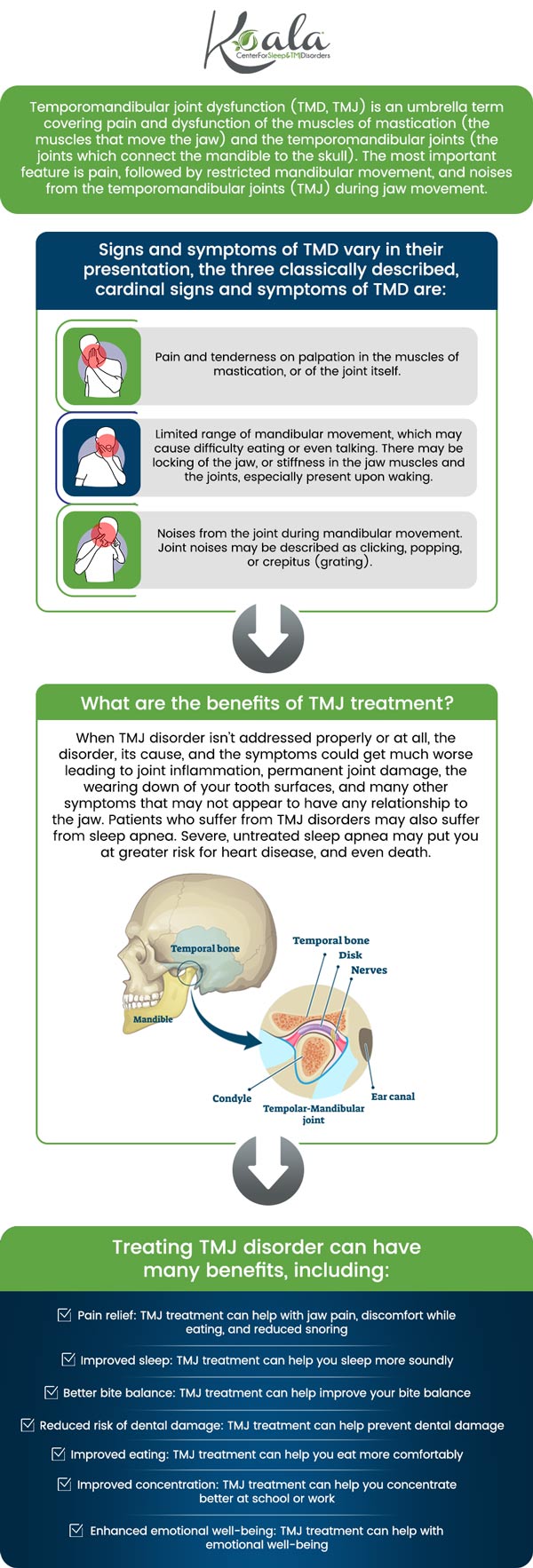
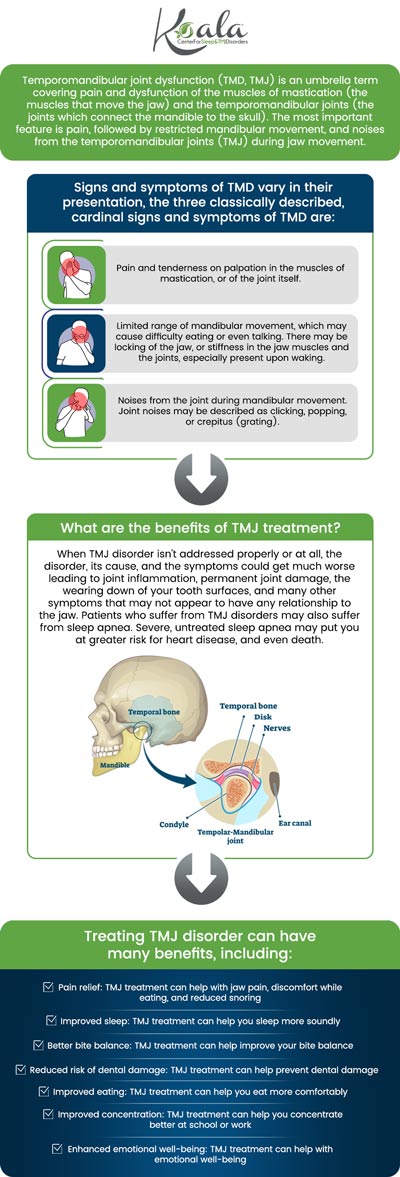
Table of Contents:
What is TMJ ear fullness and what causes it?
How does TMJ ear fullness feel compared to regular ear fullness?
Can TMJ ear fullness be constant or only intermittent?
Is TMJ ear fullness related to jaw movement or chewing?
How can Koala Center for Sleep & TMJ Disorders help determine if my ear fullness is related to TMJ?
Choosing the Right Care for TMJ Ear Fullness
TMJ ear fullness refers to a sensation of pressure, blockage, or “stuffiness” in or around the ear that arises from issues with the temporomandibular joint – the hinge connection between your jaw and skull.
Unlike ear fullness caused by earwax buildup or fluid, TMJ ear fullness stems from improper jaw alignment, muscle tension, or joint irritation. These issues can affect the muscles and ligaments that support both the jaw and the ears, leading to sensations that mimic common ear problems.
Common causes of TMJ ear fullness include:
● Bruxism (teeth grinding and clenching): Excessive muscle activity strains the TMJ and nearby tissues.
● Jaw misalignment: When the jaw joint doesn’t articulate smoothly, nearby structures like the ear canal and Eustachian tube can sense pressure or tension.
● Muscle tension: Tight muscles around the jaw, face, and neck can refer sensations into the ear.
● Trauma or injury: A blow to the jaw or whiplash‑type motion can disrupt TMJ mechanics.
● Inflammation in the joint: Inflammation from overuse or arthritis can exacerbate pressure sensations around the ear.
TMJ ear fullness can feel similar to other types of ear pressure, but there are subtle differences that often distinguish it from traditional ear conditions like infections or fluid buildup.
Here are some ways to recognize TMJ‑related ear fullness:
TMJ Ear Fullness:
● Feels like generalized pressure or “fullness” rather than sharp pain
● May come and go with jaw movements
● Often occurs along with jaw pain, clicking, or popping
● Can be experienced in one or both ears
● May accompany headaches or facial muscle tension
Regular Ear Fullness (e.g., from congestion or infection):
● Often accompanied by muffled hearing or discharge
● May feel heavier or deeper inside the ear canal
● Can be associated with sinus symptoms (runny nose, congestion)
● Does not fluctuate with jaw movement
If your sensations change depending on whether you chew, yawn, talk, or wake up in the morning, this often indicates a TMJ component.
Both patterns are possible with TMJ ear fullness. Many patients describe their symptoms as:
● Intermittent: The sensation comes and goes throughout the day – often triggered by stress, jaw activity, or certain movements.
● Constant: Some patients experience a persistent feeling of fullness that never fully resolves, especially if the underlying TMJ strain is chronic.
Whether constant or intermittent, the key clue is that the sensation is often linked to jaw function. For example:
● Ear pressure increases after long periods of chewing (e.g., eating tough foods).
● Fullness flares up when clenching or grinding at night.
● The sensation eases after relaxing the jaw or performing jaw exercises.
At Koala Center for Sleep & TMJ Disorders, our team evaluates how your symptoms correlate with jaw movement to determine whether TMJ dysfunction is the root cause.
Yes – TMJ ear fullness is often closely tied to jaw movement, especially chewing, yawning, and speaking. The reason is anatomical: the temporomandibular joint sits very close to structures associated with the ear, including:
● The external auditory canal
● The Eustachian tube
● The muscles that move the jaw and stabilize the joint
When the TMJ is strained or out of alignment, the surrounding muscles and ligaments can exert pressure on these related structures. This can create sensations that mimic ear congestion or blockage. Many patients notice that:
● Ear fullness worsens after eating a meal with chewy or tough foods
● The sensation appears after prolonged talking or yawning
● Ear pressure reduces when the jaw is rested or massaged gently
These patterns differ from typical ear problems since they are directly influenced by jaw activity rather than inner ear function. During evaluation, we will observe how your symptoms respond to specific jaw movements and activities to determine if TMJ is the underlying issue.
At Koala Center for Sleep & TMJ Disorders, we take a comprehensive, medically informed approach to diagnosing TMJ ear fullness. Here’s how our process works:
● Detailed Symptom History: We will begin by asking about your symptoms, including when the ear fullness started, how it feels, and whether it changes with jaw movement. This helps differentiate between TMJ‑related fullness and inner ear issues.
● Clinical Examination: We conduct a thorough exam of your jaw joints, muscles, and bite alignment. This includes assessing:
– Jaw opening and closing
– Joint sounds (clicking or popping)
– Facial and neck muscle tension
– Bite discrepancies and wear patterns
● Functional Evaluation: You may be asked to perform specific jaw movements to observe how symptoms change – including chewing, yawning, or lateral movements. This provides insight into whether joint function is triggering your ear sensation.
● Diagnostic Testing (if needed): In some cases, imaging or sleep studies may be recommended to rule out other conditions or assess how your TMJ function affects your airway and related structures.
Personalized Treatment Plan: Once the cause of your ear fullness is identified, Dr. Oliver creates a customized treatment plan. Options may include:
– Custom oral appliances to reduce jaw strain
– TMJ‑focused physical therapy
– Behavioral strategies to reduce clenching or grinding
– Coordination with ENT specialists if needed
Because TMJ dysfunction overlaps with symptoms commonly attributed to ear, sinus, and neurological conditions, a targeted evaluation ensures that you receive the correct diagnosis and treatment – not just relief of symptoms.
Understanding whether your ear fullness is truly related to TMJ can be challenging without a detailed evaluation. If you experience sensations of pressure or blockage in your ears that seem connected to jaw activity, Koala Center for Sleep & TMJ Disorders is equipped to help.
With comprehensive assessments led by our specialists, we take the time to listen to your concerns, explore your symptom patterns, and develop a treatment plan designed specifically for you. Whether your ear fullness comes and goes or persists constantly, our goal is to provide clarity — and lasting relief. If you suspect TMJ may be behind your symptoms, contact Koala Center For Sleep & TMJ Disorders to schedule an appointment and discover a personalized path to better jaw and ear comfort.
Check Out Our 5 Star Reviews


Additional Services You May Need
▸ KoalaKIDZzz®
▸ Sleep Apnea
▸ Snoring
▸ TMJ Disorder
▸ Fatigue
▸ Sleep Disorders
▸ Weight Loss
▸ CPAP Alternative
▸ Oral Appliances


 Send Text
 How May I Help You?