

Could Sleep Apnea Cause Your Child’s ADHD Symptoms?
Yes, sleep apnea can contribute to symptoms commonly associated with ADHD in children. Sleep disturbances caused by obstructed breathing during sleep can lead to daytime sleepiness, difficulty concentrating, irritability, and hyperactivity—symptoms that overlap with ADHD. Children with untreated sleep apnea may exhibit these behaviors because they are not getting restorative sleep, which can impair cognitive function and mood regulation. For more information, please contact us today or request an appointment online. We have convenient locations in Bloomington IL, Peoria/Dunlap IL, El Paso TX, and Wausau WI.
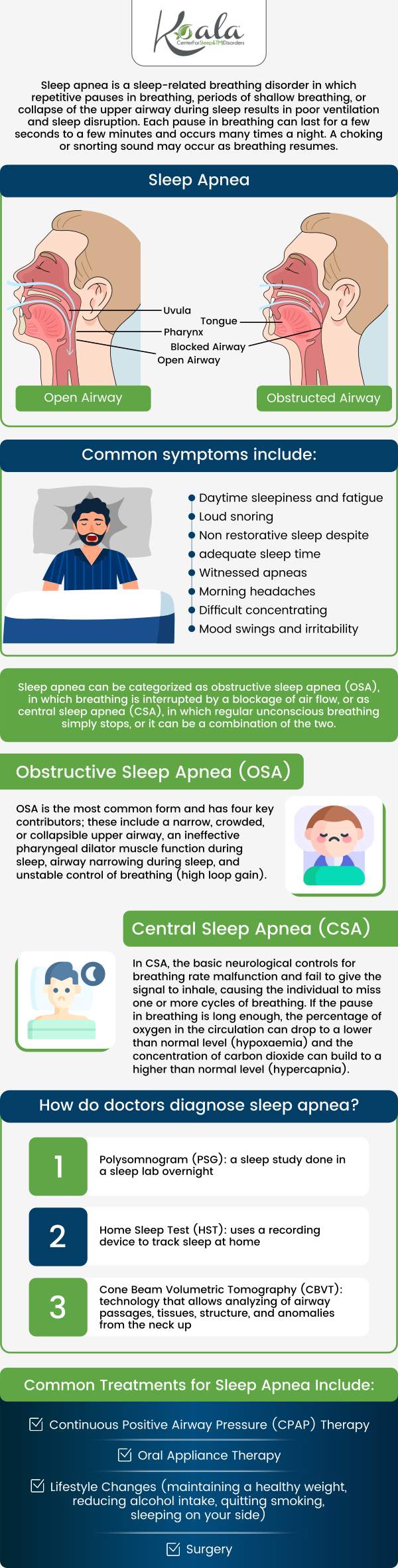
Table of Contents:
How Does Sleep Apnea Affect a Child’s Behavior and Mood?
What Are Common ADHD Symptoms in Children?
Can Sleep Apnea Mimic or Worsen ADHD Symptoms?
How Quickly Do ADHD-Like Symptoms Improve After Treating Sleep Apnea in Children?
What Should I Expect When I Bring My Child to Koala® Center for Sleep & TMJ Disorders for a Sleep Evaluation?
Why Parents Choose Koala® Center for Sleep & TMJ Disorders
Quick FAQs
Sleep apnea occurs when a child’s breathing is repeatedly interrupted during sleep due to airway obstruction. These interruptions prevent the brain from reaching deep, restorative sleep stages that are essential for emotional control, learning, and memory.
Unlike adults, children with sleep apnea do not always appear tired. Instead, they may become irritable, overly active, emotionally reactive, or prone to outbursts. Poor sleep can impair the brain’s ability to regulate impulses and manage stress, leading to behaviors that resemble attention or behavioral disorders.
At Koala Center for Sleep & TMJ Disorders, many parents report that their child wakes unrefreshed, struggles with morning routines, and has difficulty maintaining consistent behavior throughout the day—all signs that sleep quality may be compromised.
ADHD is typically characterized by patterns of inattention, hyperactivity, and impulsivity that interfere with daily functioning. Common symptoms include difficulty focusing, frequent distraction, excessive movement, emotional sensitivity, and challenges following instructions.
While ADHD is a legitimate neurodevelopmental diagnosis, symptoms alone do not explain why a child is struggling. This is where sleep evaluations become critical. Our team emphasizes that symptoms should always be evaluated in context, especially when sleep problems such as snoring, mouth breathing, or restless sleep are present.
Yes—sleep apnea can both mimic ADHD symptoms and intensify them in children who already have an ADHD diagnosis. When the brain is deprived of oxygen and consistent sleep cycles, it compensates by increasing stimulation and alertness, which may appear as hyperactivity or impulsive behavior.
Research and clinical experience at Koala® Center for Sleep & TMJ Disorders show that untreated sleep apnea can:
● Reduce attention span and working memory
● Increase emotional volatility
● Worsen school performance
● Make behavioral therapies less effective
In some cases, children diagnosed with ADHD show significant improvement once sleep apnea is properly treated.
Improvement timelines vary, but many parents notice changes within weeks of effective sleep apnea treatment. Better sleep often leads to improved mood regulation, increased focus, and reduced daytime behavioral challenges.
At Koala Center for Sleep & TMJ Disorders, treatment plans are individualized and may involve airway-focused oral appliances, sleep therapy, or coordinated care with pediatric providers. As sleep becomes more restorative, the brain is better able to regulate attention and behavior naturally.
While sleep apnea treatment does not “cure” ADHD, it often removes a major contributing factor that can significantly improve overall symptom severity.
A pediatric sleep evaluation at Koala Center for Sleep & TMJ Disorders is designed to be thorough, child-friendly, and informative. Our specialist begins with a detailed discussion of your child’s sleep habits, daytime behavior, academic challenges, and medical history.
The evaluation focuses on identifying airway restriction, jaw development, breathing patterns, and signs of disrupted sleep. Because jaw alignment and airway size are closely linked in children, TMJ and orthodontic factors may also be considered. Parents leave the visit with a clear understanding of whether sleep apnea may be contributing to behavioral concerns and what next steps are recommended. The goal is not only diagnosis but also education and long-term support for the child’s development.
What sets Koala Center for Sleep & TMJ Disorders apart is our integrated approach to pediatric sleep health. We understand that behavior, learning, and emotional regulation are deeply connected to sleep quality and breathing.
Our sleep specialists work closely with families to uncover hidden contributors to ADHD-like symptoms and create treatment plans that support both sleep and daytime functioning. Many parents report improvements not just in behavior, but in confidence, academic performance, and family dynamics.
– Can a child have sleep apnea without snoring?
Yes, some children experience airway obstruction without loud or consistent snoring.
– Should sleep apnea be ruled out before ADHD medication?
Many clinicians recommend evaluating sleep first, as poor sleep can worsen ADHD symptoms.
– Is pediatric sleep apnea treatable without surgery?
Yes, many children respond well to non-surgical airway and sleep therapies.

Additional Services You May Need
▸ KoalaKIDZzz®
▸ Sleep Apnea
▸ Snoring
▸ TMJ Disorder
▸ Fatigue
▸ Sleep Disorders
▸ Weight Loss
▸ CPAP Alternative
▸ Oral Appliances


 Send Text
 How May I Help You?