

Why Does Sleep Apnea Become More Common for Women in Their 40s and 50s?
At Koala® Center For Sleep & TMJ Disorders, we recognize that sleep apnea often presents differently in women, often disguised as insomnia or mood changes. Our providers offer comfortable, non-invasive CPAP alternatives like Oral Appliance Therapy to help women in their 40s and 50s regain their energy and protect their long-term cardiovascular health. For more information, please contact us today or request an appointment online. We have convenient locations in Bloomington IL, Peoria/Dunlap IL, El Paso TX, and Wausau WI.
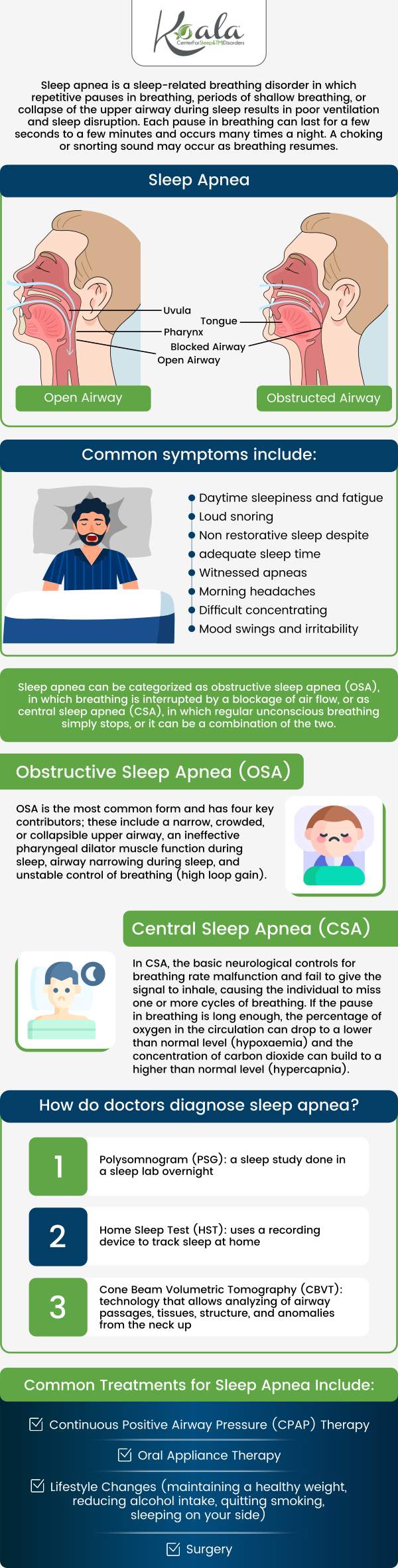
Table of Contents:
Why are women more likely to develop sleep apnea during their 40s and 50s?
How do hormonal changes, like menopause, affect sleep apnea risk?
What are the common signs and symptoms of sleep apnea in women?
How is sleep apnea diagnosed in women, and is it often underdiagnosed?
Why midlife women should advocate for their sleep health
What treatment can look like for women with sleep apnea
Frequently Asked Questions
Sleep apnea is often thought of as a condition that primarily affects men, but this perception changes significantly once women enter midlife. For many women, their 40s and 50s mark a period when sleep quality declines, fatigue increases, and previously unexplained health concerns begin to surface. One of the most overlooked contributors to these changes is sleep apnea, which becomes notably more prevalent during this stage of life.
The increase is not coincidental. It reflects a complex interaction between hormonal shifts, physiological changes, and the way sleep apnea presents differently in women. Understanding why this risk rises—and how to recognize it—can lead to earlier diagnosis and more effective treatment.
Before midlife, women are generally less likely than men to develop obstructive sleep apnea. However, this gap narrows rapidly in the years surrounding menopause. One reason is that protective hormonal influences begin to decline, altering how the upper airway functions during sleep.
As women age, there are also changes in muscle tone, fat distribution, and airway stability. Weight gain, particularly around the neck and abdomen, can increase airway resistance during sleep. At the same time, age-related reductions in muscle strength can make the airway more prone to collapse when muscles naturally relax at night.
Sleep architecture also changes with age. Women in their 40s and 50s often experience lighter, more fragmented sleep, which can worsen breathing instability. These factors together explain why sleep apnea frequently emerges or worsens during this phase of life, even in women who never had symptoms earlier.
Hormonal changes play a central role in the rising risk of sleep apnea among midlife women. Estrogen and progesterone are known to support respiratory drive and help maintain upper airway muscle tone. Progesterone, in particular, stimulates breathing and reduces airway collapse during sleep.
As women transition through perimenopause and menopause, levels of these hormones fluctuate and eventually decline. The loss of progesterone’s respiratory support can make breathing more vulnerable during sleep, while reduced estrogen can contribute to changes in fat distribution and inflammation that affect the airway.
Menopause also brings other sleep-disrupting symptoms, such as hot flashes, night sweats, and insomnia. These disturbances fragment sleep and may unmask underlying sleep apnea that previously went unnoticed. As a result, many women attribute their exhaustion solely to menopause, when sleep-disordered breathing may be a significant underlying factor.
Sleep apnea in women often looks different from the classic presentation seen in men. While loud snoring and witnessed breathing pauses do occur, women are more likely to experience subtle or non-specific symptoms that can be easily overlooked.
Common signs include chronic fatigue, unrefreshing sleep, morning headaches, difficulty concentrating, mood changes, anxiety, or symptoms that resemble depression. Some women report insomnia rather than excessive daytime sleepiness, making sleep apnea seem less likely at first glance.
Nighttime symptoms may include restless sleep, frequent awakenings, night sweats, or waking with a racing heart. Because these symptoms overlap with menopause-related complaints, sleep apnea in women is frequently misattributed to stress, aging, or hormonal changes alone.
Sleep apnea is diagnosed through a comprehensive evaluation that includes a detailed health history, symptom assessment, and objective sleep testing. This may involve an in-lab sleep study or a home sleep apnea test, depending on the individual’s risk factors and symptoms.
Unfortunately, sleep apnea is significantly underdiagnosed in women, especially during midlife. One reason is that diagnostic criteria and screening tools were historically developed based on male-dominated research populations. As a result, atypical symptoms more common in women may not trigger immediate evaluation.
Additionally, women themselves may delay seeking care, assuming that fatigue, poor sleep, or mood changes are a normal part of menopause. Healthcare providers may also focus on hormonal explanations without considering sleep-disordered breathing. Increasing awareness of how sleep apnea presents in women is essential for closing this diagnostic gap.
Women in their 40s and 50s often juggle multiple responsibilities, from careers to caregiving, while navigating significant physical changes. Persistent exhaustion is frequently normalized or dismissed, yet untreated sleep apnea can have serious long-term consequences, including increased risks of hypertension, heart disease, stroke, diabetes, and cognitive decline.
Advocating for proper sleep evaluation is an important act of preventive health. When sleep apnea is identified and treated, many women report improvements not only in sleep quality, but also in energy levels, mood, metabolic health, and overall quality of life. Addressing sleep apnea can also enhance the effectiveness of other menopause-related treatments by restoring restorative sleep.
Treatment for sleep apnea is individualized and depends on the severity of the condition, anatomy, and personal preferences. Options may include positive airway pressure therapy, oral appliance therapy, weight management strategies, and targeted lifestyle modifications.
For some women, addressing nasal congestion, jaw alignment, or sleep position can make a meaningful difference. Importantly, treatment plans should account for hormonal changes, sleep fragmentation, and coexisting conditions common in midlife women.
Early diagnosis allows treatment to begin before complications develop, making proactive evaluation especially valuable during this transitional life stage.
Can sleep apnea symptoms worsen during menopause even without weight gain?
Yes, hormonal changes alone can increase airway instability and sleep apnea risk.
Is snoring always present in women with sleep apnea?
No, many women with sleep apnea do not snore loudly or consistently.
Should I get tested for sleep apnea if I’m exhausted but don’t feel sleepy during the day?
Yes, fatigue and unrefreshing sleep can be key signs of sleep apnea in women.

Additional Services You May Need
▸ KoalaKIDZzz®
▸ Sleep Apnea
▸ Snoring
▸ TMJ Disorder
▸ Fatigue
▸ Sleep Disorders
▸ Weight Loss
▸ CPAP Alternative
▸ Oral Appliances


 Send Text
 How May I Help You?