

How Does Sleep Apnea Affect Women’s Health?
Sleep apnea is a serious yet often underdiagnosed sleep disorder that affects millions of adults worldwide. While it is commonly associated with loud snoring and daytime fatigue, women often experience different symptoms than men, making recognition and diagnosis more challenging. At Koala Sleep Centers, patients benefit from specialized evaluation and treatment designed to address women’s unique sleep-related health concerns under the guidance of our leading experts in dental sleep medicine and CPAP alternative therapies. For more information, please contact us today or request an appointment online. We have convenient locations in Bloomington IL, Peoria/Dunlap IL, El Paso TX, and Wausau WI.
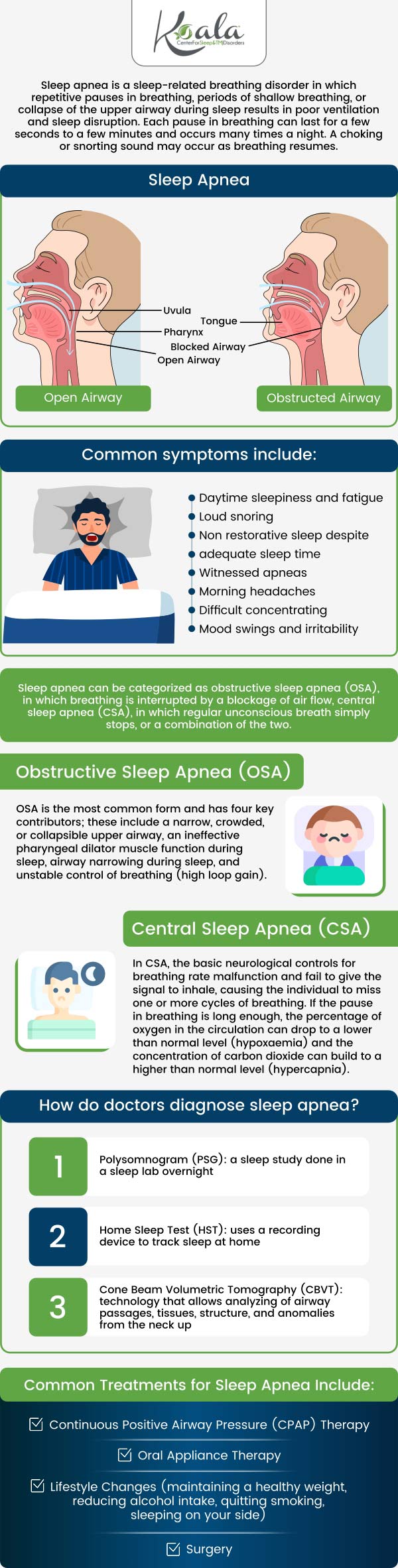
Table of Contents:
Why is sleep apnea often misdiagnosed as anxiety or depression in women?
Do hormonal changes during menopause increase the risk of developing obstructive sleep apnea?
What are the “silent” symptoms of sleep apnea in women that differ from the typical loud snoring seen in men?
How does fragmented sleep impact a woman’s metabolic health and weight management?
Does Koala offer specialized diagnostics for women who experience “morning headaches” and chronic fatigue?
Why early recognition of sleep apnea is essential for women
Sleep apnea in women often presents with subtle or non-classic symptoms, which can overlap with emotional or mental health conditions. Unlike men, who typically display loud snoring and witnessed apneas, women may experience:
● Chronic fatigue and low energy
● Difficulty concentrating or “brain fog.”
● Mood changes, irritability, or depression
● Insomnia or restless sleep
Because these signs can mimic anxiety or depression, many women are misdiagnosed before a proper sleep evaluation occurs.
Our team emphasizes that comprehensive sleep studies and proper patient history are essential. At Koala Sleep Centers, diagnostic testing considers these gender-specific symptom patterns to accurately detect obstructive sleep apnea (OSA) in women, even in the absence of loud snoring.
Yes. Hormonal fluctuations, particularly decreases in estrogen and progesterone during menopause, significantly increase the risk of obstructive sleep apnea in women.
These hormones play important roles in:
● Maintaining muscle tone in the upper airway
● Regulating breathing patterns during sleep
● Supporting metabolic function
As estrogen and progesterone levels decline, the airway can become more prone to collapse during sleep, leading to obstructive events. Studies show that postmenopausal women are up to three times more likely to develop sleep apnea compared to premenopausal women.
At Koala Sleep Centers, awareness of hormonal influence allows for more precise screening and early intervention, particularly for women experiencing menopausal symptoms alongside fatigue or sleep disruptions.
Women often present with atypical or “silent” symptoms that do not fit the traditional image of sleep apnea. These can include:
● Morning headaches or facial pressure
● Daytime fatigue without noticeable snoring
● Frequent nighttime awakenings or restless sleep
● Difficulty concentrating or memory lapses
● Mood disturbances, including irritability or mild depression
Because these symptoms are subtle, women may go undiagnosed for years. At Koala Sleep Centers, diagnostic protocols are designed to capture these less obvious signs through comprehensive sleep evaluations and home or in-lab sleep studies, ensuring women receive the care they need.
Fragmented sleep caused by obstructive sleep apnea can have profound effects on metabolism, appetite, and weight regulation in women:
1. Hormonal disruption: Sleep deprivation alters leptin and ghrelin levels, increasing hunger and cravings, particularly for high-calorie foods.
2. Insulin resistance: Poor sleep contributes to impaired glucose metabolism, increasing the risk of type 2 diabetes.
3.Weight gain: Combined with increased appetite and fatigue that limits exercise, fragmented sleep can promote gradual weight gain.
4. Cardiovascular risk: Ongoing sleep disruption elevates blood pressure and stress hormones, contributing to long-term heart disease risk.
Absolutely. Koala Sleep Centers provides women-focused sleep evaluations designed to identify obstructive sleep apnea and other sleep disorders that may present differently than in men.
Diagnostic services include:
● Comprehensive sleep history assessment, focusing on gender-specific symptoms like morning headaches, fatigue, and insomnia
● Home sleep testing for convenience and comfort
● In-lab polysomnography for complex or unclear cases
● CPAP alternatives and oral appliance therapy tailored to women with mild to moderate OSA
By combining advanced diagnostics with patient education, Koala Sleep Centers ensures women are accurately diagnosed and treated, addressing both immediate symptoms and long-term health consequences.
Women’s sleep apnea is often overlooked because the symptoms differ from traditional expectations. Misdiagnosis or delayed treatment can contribute to:
● Chronic fatigue and reduced productivity
● Mood disorders and mental health challenges
● Metabolic and weight-related complications
● Increased cardiovascular risk over time
Early detection through specialized evaluation and treatment is essential for preventing these complications and improving overall quality of life.
Sleep apnea in women is frequently underdiagnosed due to atypical symptoms and hormonal influences, yet it has serious implications for metabolic, cardiovascular, and mental health. Koala Sleep Centers, under the expertise of specialists, offers women-focused diagnostic and treatment solutions, including CPAP alternatives and oral appliance therapy.
Women experiencing morning headaches, chronic fatigue, or fragmented sleep should seek a comprehensive evaluation. Addressing sleep apnea not only restores energy and alertness but also supports long-term wellness, metabolic balance, and overall quality of life.
Check Out Our 5 Star Reviews


Additional Services You May Need
▸ KoalaKIDZzz®
▸ Sleep Apnea
▸ Snoring
▸ TMJ Disorder
▸ Fatigue
▸ Sleep Disorders
▸ Weight Loss
▸ CPAP Alternative
▸ Oral Appliances


 Send Text
 How May I Help You?