

TMJ Headaches Treatment in El Paso, TX
If you suffer from chronic headaches linked to TMJ, our team at the Koala® Center for Sleep & TMJ Disorders in El Paso is here to help. We provide personalized, non-surgical treatment plans designed to address the underlying jaw tension and imbalance. Our goal is to provide lasting relief, helping you get back to a life free from pain and discomfort. For more information, contact us or book an appointment online. We are conveniently located at 6901 Helen of Troy, Ste D-2 El Paso, TX 79911.
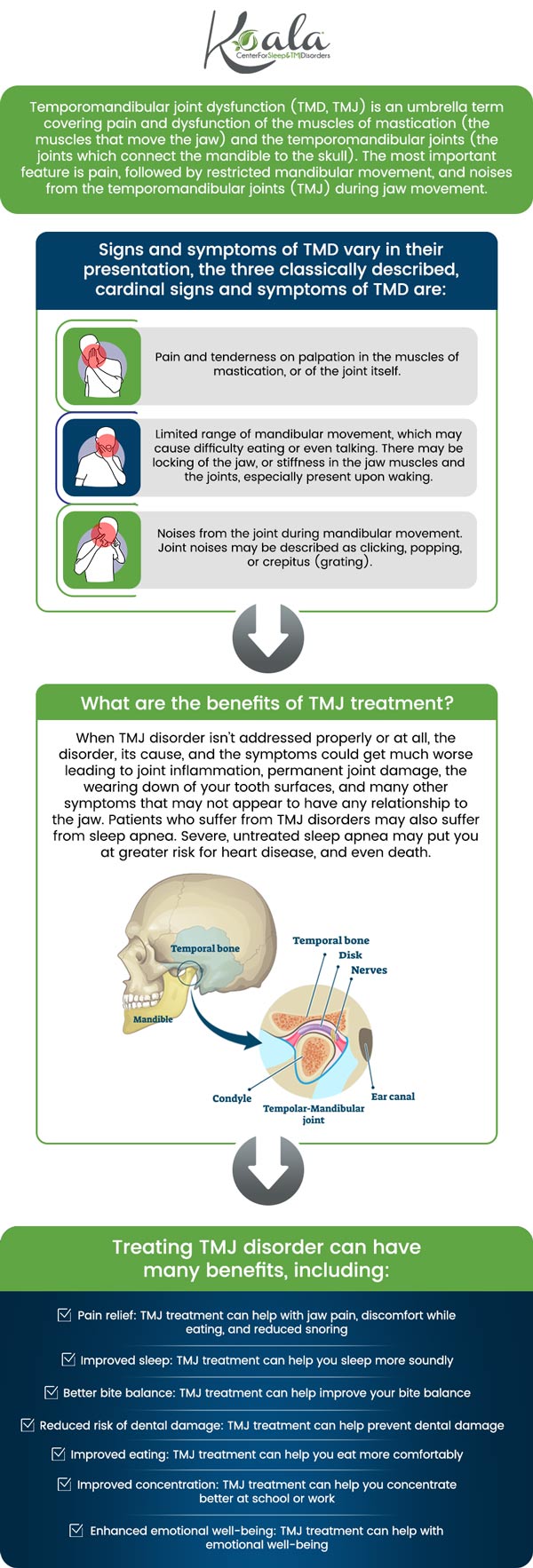
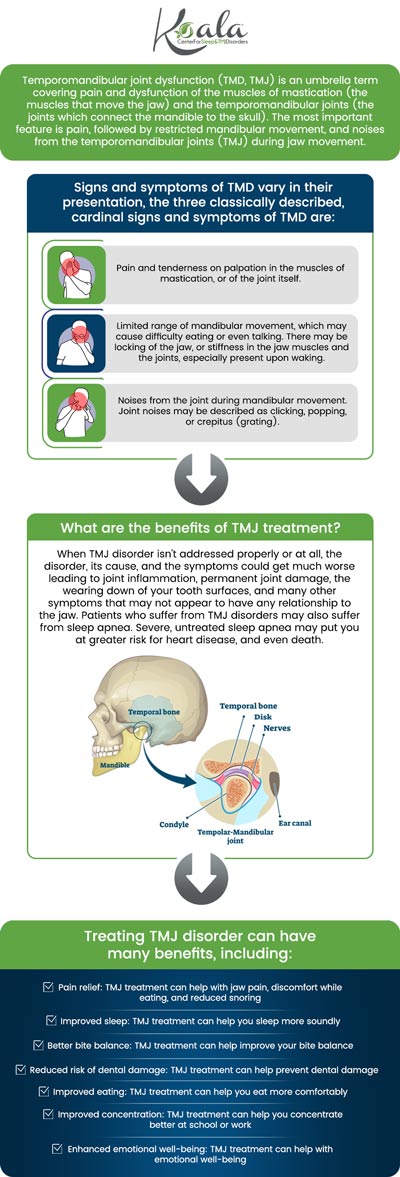
Table of Contents:
What is the connection between TMJ disorders and chronic headaches or migraines?
How do jaw clenching and muscle tension contribute to headache pain?
How can I tell if my headaches are caused by TMJ versus another issue?
Is a TMJ headache a specific type of headache, and how is it diagnosed?
How can sleep specialists at Koala Center for Sleep Disorders in El Paso, TX help treat your TMJ headaches?
Temporomandibular joint (TMJ) disorders affect the jaw joint and surrounding muscles, playing a crucial role in everyday activities like chewing, speaking, and even breathing. At Koala Center For Sleep & TMJ Disorders, we frequently see patients who experience not only jaw pain, clicking, or difficulty moving their jaw, but also chronic headaches and migraines—sometimes without realizing the two are connected.
The relationship between TMJ disorders and headaches is rooted in the complex network of nerves and muscles in the head and neck. The TMJ is located close to the trigeminal nerve, which is responsible for facial sensation and is a key player in many types of headaches, especially migraines. When the TMJ becomes inflamed or dysfunctional, it can irritate or put pressure on the trigeminal nerve, triggering headache symptoms.
Additionally, TMJ disorders often lead to muscle tension in the jaw, face, neck, and shoulders. This tension can contribute to tension-type headaches, which are characterized by a dull, aching pain and pressure around the head or behind the eyes. For patients prone to migraines, this ongoing muscle tension can even serve as a trigger for migraine attacks.
We understand that headaches or migraines associated with TMJ disorders do not always present with obvious jaw pain. In fact, many individuals do not realize their headaches are linked to TMJ issues until they receive a comprehensive evaluation. Clues that TMJ problems might be the source of your headaches include pain that worsens with chewing, talking, or yawning, or headaches that coincide with jaw clicking or popping.
Jaw clenching and muscle tension are significant contributors to the development and persistence of headache pain—a problem commonly seen at Koala Center. Many people unconsciously clench their jaws or grind their teeth (a condition known as bruxism), especially during sleep or periods of stress. This repetitive strain places excessive pressure on the muscles around the jaw, temples, neck, and shoulders, leading to muscle fatigue and discomfort.
At the heart of these symptoms is the temporomandibular joint (TMJ), which connects your jaw to your skull. When this joint is strained from chronic clenching or grinding, it can become inflamed and painful, resulting in what is often referred to as a TMJ headache. The pain can radiate from your jaw to your temples, forehead, and even down into your neck, mimicking tension-type headaches. Muscle tension in this area can also compromise blood flow and irritate nearby nerves, amplifying your discomfort.
Patients often describe this pain as a dull, aching sensation—a feeling of tightness or pressure around the head that worsens with stress or poor posture. Left untreated, these headaches can increase in both frequency and severity, significantly impacting your quality of life.
We understand how frustrating and disruptive chronic headaches can be—especially when their cause isn’t clear. Many people don’t realize that headaches are often linked to TMJ (temporomandibular joint) disorders. If you’re experiencing frequent headaches, it’s important to pay attention to certain symptoms that may point to TMJ as the underlying issue.
TMJ-related headaches typically occur alongside other jaw-related symptoms, such as:
● Jaw discomfort or pain (especially around the temples)
● Clicking, popping, or grinding sounds when you move your jaw
● Ear pain or a sensation of fullness in the ears
● Tightness or soreness in your jaw muscles, especially in the morning (a sign you might be clenching or grinding your teeth at night)
● Headaches that worsen with chewing, talking, or yawning
In contrast, headaches from other causes—such as migraines or tension headaches—often present differently. Migraines may involve throbbing pain, sensitivity to light or sound, and visual disturbances. Tension headaches usually feel like a dull, pressing pain around the forehead or back of the neck, rarely involving jaw discomfort or changes in how your jaw moves.
We understand that headaches can be debilitating and difficult to fully understand—especially when they’re caused by underlying issues with the temporomandibular joint (TMJ). While a “TMJ headache” is not classified as a separate headache disorder, it refers to headaches that originate from problems with the TMJ and the surrounding muscles. The TMJ connects your jaw to your skull, and dysfunction here—known as temporomandibular joint disorder (TMD)—can trigger pain that radiates to your temples, jaw, neck, and sometimes the face and ears.
This type of pain often mimics other headache types, like tension headaches or migraines, making it challenging to identify without specialized care. At Koala Center For Sleep & TMJ Disorders, our experienced team specializes in evaluating and diagnosing TMJ related headaches. Our comprehensive approach begins with a detailed review of your medical and headache history, focusing on the location, duration, and triggers of your pain. We perform a gentle yet thorough examination of your jaw for tenderness, clicking, popping, or restricted movement, and we assess the muscles around your TMJ for signs of pain or tightness. You may be asked to open and close your mouth or move your jaw from side to side so we can assess function and pinpoint discomfort.
In some cases, we may recommend imaging studies, such as X-rays or MRIs, if we suspect structural changes in the joint. However, the majority of TMJ headaches are diagnosed clinically, based on the relationship between your headache symptoms and TMJ dysfunction. Our expertise also ensures that other potential causes of head pain are carefully ruled out, and we look for additional TMJ symptoms, such as jaw pain, ear fullness, or difficulty chewing.
TMJ headaches are caused by issues with the temporomandibular joint, leading to jaw pain, muscle tension, and headaches. These headaches often feel like a dull, throbbing pain around the temples, jaw, and sometimes the neck or behind the eyes. The discomfort may worsen with jaw movement, such as chewing or talking. If you are experiencing frequent headaches associated with jaw pain or clicking sounds, it could be due to TMJ disorder.
At Koala Center for Sleep Disorders in El Paso, TX, our team specializes in diagnosing and treating TMJ-related headaches. We provide personalized treatment options such as mouthguards, physical therapy, and behavioral therapy to help relieve jaw tension and prevent further headaches. In some cases, we may recommend relaxation techniques or lifestyle changes to manage stress, which can exacerbate TMJ symptoms.
We understand the impact that TMJ headaches can have on your quality of life. Our dedicated team is here to help you find the right solution, reduce pain, and improve your overall well-being. For more information, contact us or book an appointment online. We are conveniently located at 6901 Helen of Troy, Ste D-2 El Paso, TX 79911.

Additional Services You May Need
▸ KoalaKIDZzz®
▸ Sleep Apnea
▸ Snoring
▸ TMJ Disorder
▸ Fatigue
▸ Sleep Disorders
▸ Weight Loss
▸ CPAP Alternative
▸ Oral Appliances


 Send Text
 How May I Help You?