

Is Pain Behind the Eyes Related to TMJ?
Pain behind the eyes can be unsettling, especially when it persists or occurs without an obvious cause. While many people attribute this sensation to sinus pressure or migraine headaches, another often overlooked source is temporomandibular joint (TMJ) dysfunction. At the Koala Center for Sleep & TMJ Disorders, our specialists see many patients with referred pain patterns resulting from TMJ muscle tension and jaw misalignment. For more information, please contact us today or request an appointment online. We have convenient locations in Bloomington IL, Peoria/Dunlap IL, El Paso TX, and Wausau WI.
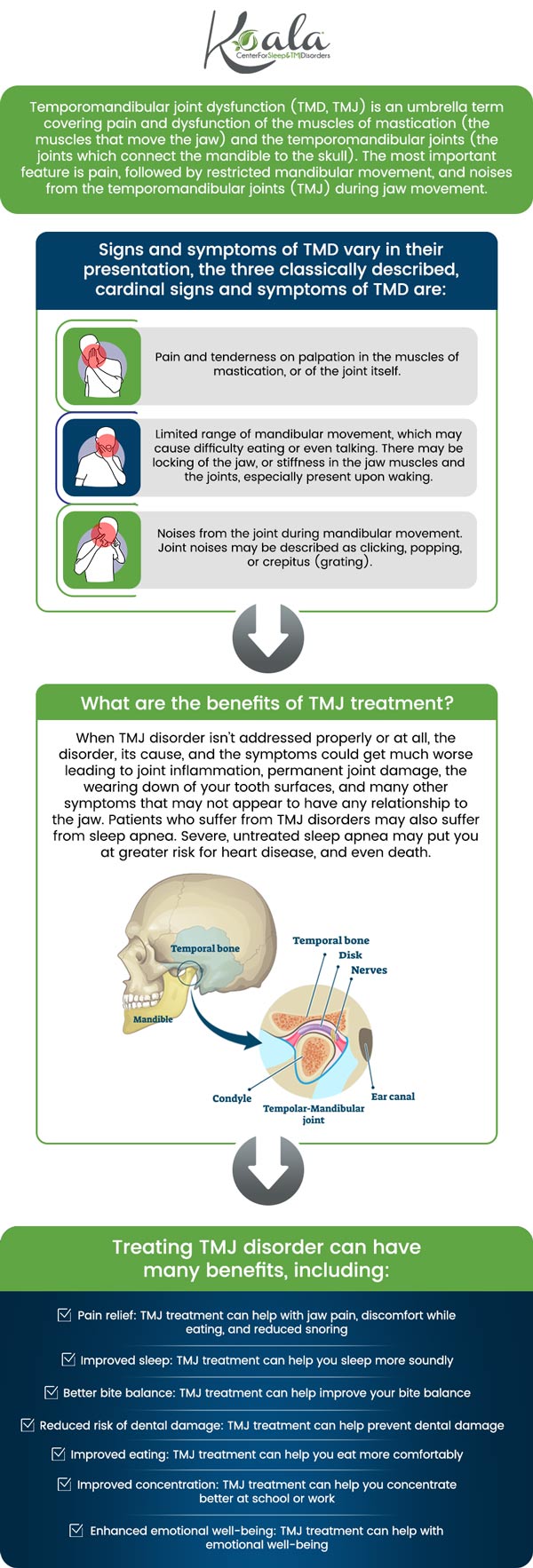
Table of Contents:
Can TMJ cause pain behind the eyes?
How does pain behind the eyes from TMJ feel?
What distinguishes TMJ eye‑related pain from a sinus headache?
Can eye pain from TMJ cause vision issues?
How can Koala Center for Sleep & TMJ Disorders determine if my pain behind the eyes is caused by TMJ?
Taking the First Step Toward Relief
Yes, TMJ dysfunction can indeed cause pain behind the eyes. The temporomandibular joint isn’t housed in the eye socket, but the muscles and nerves involved in TMJ function are closely connected to structures in the face, head, and neck. When these muscles are stressed, or the joint is misaligned, they can refer pain into areas that seem unrelated, including behind the eyes.
Here’s why it happens:
● Shared nerve pathways: The trigeminal nerve, which provides sensation to the face and head, connects to both the jaw and areas around the eye. Muscle tension or inflammation in the TMJ region can irritate these pathways, creating referred pain.
● Muscle tension: Chronic clenching or grinding (bruxism) tightens the muscles around the jaw, temples, and forehead. This tension can radiate upward, producing discomfort that feels like pressure behind the eyes.
● Postural strain: Improper jaw positioning can change head and neck posture, which in turn affects the muscles supporting the skull. This can create a chain reaction of tension and referred pain.
While eye pain can have many causes, TMJ is often a factor when the pain is associated with jaw movement, chewing, or prolonged mouth opening.
Pain behind the eyes caused by TMJ dysfunction can vary from person to person, but there are common patterns patients describe:
● Dull, Deep Pressure: Many people report a sensation of heaviness or deep pressure behind and around the eyes rather than sharp, stabbing pain.
● Tension‑Like Discomfort: This pain often feels similar to tension headaches, but tends to be centered more around the brow and eye sockets.
● Pain that Fluctuates with Jaw Use: Unlike sinus or migraine pain, TMJ‑related eye pain may increase when chewing, yawning, eating tough foods, or clenching the jaw.
● Accompanied by Jaw Symptoms: Patients often report other TMJ signs – such as jaw popping, clicking, locking, or tenderness in the cheeks, temples, or ears – along with the eye discomfort.
● Worse During Stress or Nighttime Clenching: Because many people clench their jaw during periods of stress or while sleeping, pain behind the eyes may be most noticeable in the morning or after intense activity.
The key distinction is the relationship to jaw function – if your eye pain seems to flare up with jaw movements or mouth position changes, TMJ should be strongly considered as a possible cause.
Pain behind the eyes can be misdiagnosed as a sinus headache, but there are important differences that your clinician at Koala Center For Sleep & TMJ Disorders will assess:
Sinus Headache Characteristics:
● Pain often intensifies with bending forward
● Accompanied by nasal congestion, runny nose, or fever
● Pain is usually deeper and feels more like pressure inside the forehead, cheekbones, or behind the brow
TMJ‑Related Eye Pain Characteristics:
● Pain may fluctuate with jaw activity (chewing, talking, yawning)
● Often associated with jaw noise (clicking or popping) or lockjaw
● May coincide with ear pain, ringing (tinnitus), or tooth sensitivity
● Doesn’t always come with typical sinus symptoms like congestion or discharge
Where sinus headaches typically stem from inflammation or fluid buildup in the nasal passages and sinus cavities, TMJ‑related pain is rooted in the musculoskeletal and nerve structures of the jaw. This subtle but important difference helps clinicians at Koala Center For Sleep & TMJ Disorders distinguish between the two during evaluation.
Generally, TMJ‑related pain behind the eyes does not directly cause vision loss or visual impairment. However, the discomfort and tension associated with TMJ dysfunction can create symptoms that feel like they affect your vision, such as:
● Eye strain or fatigue
● Pressure behind the eye sockets
● Sensitivity to light or discomfort when focusing
These symptoms stem from muscle tension and referred nerve pain, not from actual damage to the eyes or visual pathways. If you’re experiencing noticeable changes in vision (such as blurriness, double vision, or sudden visual loss), it’s important to seek evaluation from an eye care provider promptly. However, if these sensations are mild and occur with jaw tension or TMJ symptoms, they may very well be part of the TMJ pain pattern.
At the Koala Center for Sleep & TMJ Disorders, we takea detailed patient history and conduct a physical examination to determine whether your discomfort is stemming from jaw function rather than ocular pathology.
Determining whether your eye pain originates from TMJ dysfunction requires a comprehensive evaluation – and that’s exactly what we provide at Koala Center For Sleep & TMJ Disorders. Our clinical team follows a structured approach:
● Thorough Symptom History: We begin by gathering detailed information about your symptoms – when the pain occurs, what makes it worse or better, and whether it is associated with jaw activity, eating, stress, or sleep patterns.
● Functional Jaw Assessment: A physical exam focuses on jaw movement, joint sounds (like clicking or popping), muscle tenderness, and range of motion. This helps determine if the temporomandibular joint is involved.
● Correlation of Pain Patterns: We analyze whether your pain increases with jaw use – such as chewing, speaking, or yawning – which is a key indicator of TMJ involvement.
● Muscle Palpation and Bite Evaluation: By checking the condition of muscles around the jaw, face, and neck, we can identify areas of tension that may refer pain to the eye regions. Bite alignment and dental history are also considered.
● Imaging and Diagnostic Testing: If needed, imaging studies (such as X‑rays, CBCT scans, or MRI) help visualize the joint structure and rule out other causes. This is particularly helpful when TMJ degeneration, disc displacement, or structural abnormalities are suspected.
● Differential Diagnosis: We differentiate TMJ eye pain from other potential causes – such as sinus issues, migraine disorders, neuralgia, or tension headaches – to pinpoint the true source of your discomfort.
This multilayered evaluation ensures that your symptoms are not just treated symptomatically, but that the underlying cause is accurately identified.
Pain behind the eyes can arise from many sources, but when it coexists with jaw symptoms – like clicking, popping, jaw stiffness, or clenching – TMJ dysfunction becomes a strong possibility. At the Koala Center for Sleep & TMJ Disorders, we’re committed to uncovering the true cause of your discomfort, not just masking symptoms.
With a detailed evaluation and a tailored treatment plan, you’ll gain clarity on whether your eye pain is related to TMJ and how best to find lasting relief.
If you’re experiencing persistent or recurring discomfort behind your eyes, especially in relation to jaw movement or tension, contact Koala Center For Sleep & TMJ Disorders today to schedule a comprehensive TMJ evaluation.
Check Out Our 5 Star Reviews


Additional Services You May Need
▸ KoalaKIDZzz®
▸ Sleep Apnea
▸ Snoring
▸ TMJ Disorder
▸ Fatigue
▸ Sleep Disorders
▸ Weight Loss
▸ CPAP Alternative
▸ Oral Appliances


 Send Text
 How May I Help You?