

Where Do Bruxism Headaches Usually Start—and Why the Pain Spreads
At Koala® Center For Sleep & TMJ Disorders, our clinical team understands that bruxism-related pain often begins in the temples or the jaw joint before radiating to the neck and shoulders. By addressing the neurological and physical triggers of bruxism, we help you wake up without the debilitating tension that disrupts your quality of life. For more information, please contact us today or request an appointment online. We have convenient locations in Bloomington IL, Peoria/Dunlap IL, El Paso TX, and Wausau WI.
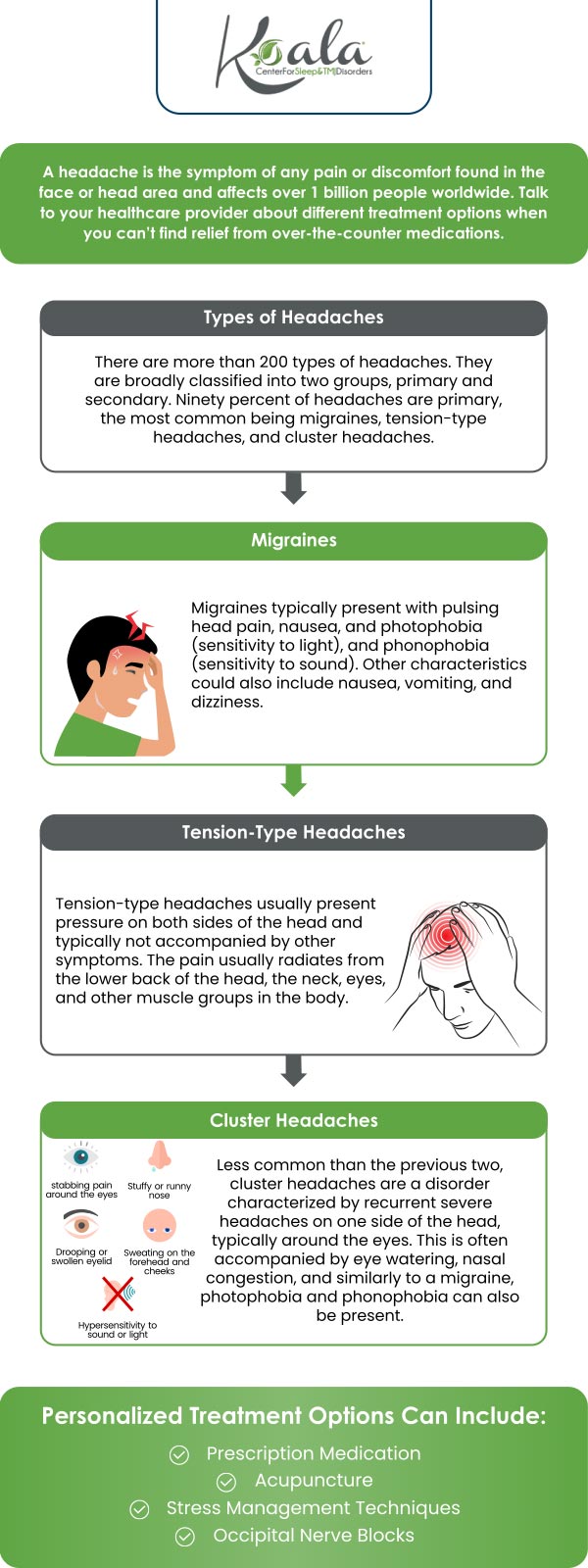
Table of Contents:
Where are the most common locations for headaches caused by bruxism?
Can bruxism headaches radiate to other areas like the neck or temples?
How can I tell if my headache is caused by bruxism versus other conditions?
Are there specific triggers that make bruxism headaches worse?
Visit Koala® Center for Sleep and TMJ Disorders for a proper diagnosis
Frequently Asked Questions
Bruxism headaches often begin in very specific areas of the head and face, but they rarely stay confined to one spot. The most common locations are closely tied to overworked jaw muscles, irritated temporomandibular joints (TMJ), and prolonged nighttime clenching or grinding. Understanding where bruxism headaches typically occur—and how they differ from other headache types—is an important first step toward lasting relief.
At Koala® Center for Sleep and TMJ Disorders, we help patients connect the dots between jaw activity during sleep and recurring head pain that traditional headache treatments often fail to resolve.
Bruxism headaches most commonly come from areas supplied by the jaw and facial muscles that repeatedly activate during clenching and grinding. The most frequent pain locations include the temples, the sides of the head near the ears, and the forehead. These areas are closely linked to the temporalis and masseter muscles, which can become fatigued and inflamed when bruxism occurs night after night.
Many patients describe a dull, pressure-like ache that feels similar to a tension headache, especially upon waking. Others report a band-like tightness across the forehead or pain that worsens with jaw movement, chewing, or stress. Because bruxism is most active during sleep, these headaches often feel worse in the morning and gradually improve as the day progresses—another key clue pointing to a jaw-related cause.
In some cases, pain may also be felt behind the eyes or deep within the face, particularly when the TMJ itself is irritated or compressed during grinding episodes.
Yes, bruxism headaches frequently radiate beyond their point of origin. The jaw, head, and neck function as an interconnected system, and excessive jaw muscle activity can easily trigger pain in surrounding regions. It is very common for bruxism-related pain to spread into the neck, shoulders, and upper back due to muscle compensation and postural strain.
The temples are especially vulnerable because the temporalis muscles run along the sides of the head and are heavily involved in clenching. When these muscles remain contracted for long periods during sleep, they can refer pain upward into the scalp or backward toward the ears.
Neck pain often develops alongside bruxism headaches because the cervical spine and jaw share muscular and neurological pathways. Patients may notice stiffness, reduced range of motion, or headaches that worsen after long periods of sitting or poor posture, further compounding the problem.
Distinguishing a bruxism headache from migraines, sinus headaches, or neurological conditions requires attention to specific patterns and associated symptoms. Bruxism headaches are typically linked with jaw soreness, facial muscle fatigue, tooth sensitivity, or clicking and popping in the jaw. Many patients also report waking up with a headache rather than developing one later in the day.
Unlike migraines, bruxism headaches usually do not involve nausea, visual disturbances, or sensitivity to light and sound. They are more consistent in location and intensity and often improve temporarily with jaw relaxation, massage, or heat.
Another key indicator is dental evidence. If you have flattened teeth, enamel wear, cracked fillings, or a history of being told you grind your teeth during sleep, these strongly support a bruxism-related cause. At Koala Center, we use advanced sleep and TMJ evaluations to determine whether nighttime jaw activity is contributing to chronic head pain, rather than relying on symptom management alone.
Several factors can intensify bruxism headaches by increasing jaw tension or the frequency of grinding episodes. Stress and anxiety are among the most common triggers, as they often lead to subconscious clenching both during the day and at night. Poor sleep quality, caffeine use late in the day, and alcohol consumption can also worsen nighttime grinding.
Sleep disorders such as obstructive sleep apnea are another major contributor. When breathing is disrupted during sleep, the body may respond with micro-arousals that increase jaw muscle activity, leading to more severe bruxism and morning headaches.
Daytime habits also play a role. Chewing gum excessively, holding tension in the jaw, poor posture, and prolonged screen use can all overload the jaw and neck muscles, making headaches more frequent and intense.
Treating bruxism headaches effectively requires addressing the root cause, not just masking the pain. Over-the-counter pain relievers may provide temporary relief, but they do not stop the muscle overuse or sleep-related triggers driving the headaches.
At Koala® Center for Sleep and TMJ Disorders, we take a comprehensive approach that evaluates jaw function, bite alignment, airway health, and sleep quality. By identifying whether bruxism is linked to TMJ dysfunction, sleep apnea, or stress-related muscle patterns, we can create a targeted treatment plan designed to reduce grinding, relax overactive muscles, and prevent headaches from recurring.
Custom oral appliances, sleep therapy, and TMJ-focused care are often key components of successful treatment, especially for patients who have struggled with chronic headaches for years without clear answers.
Can bruxism headaches feel like migraines?
Yes, they can mimic migraines, but they usually lack migraine-specific symptoms like nausea or light sensitivity.
Do bruxism headaches always occur in the morning?
They are most common upon waking, but severe cases can cause headaches throughout the day.
Will a night guard alone stop bruxism headaches?
A night guard can help protect teeth, but effective headache relief often requires addressing sleep and jaw mechanics together

Additional Services You May Need
▸ KoalaKIDZzz®
▸ Sleep Apnea
▸ Snoring
▸ TMJ Disorder
▸ Fatigue
▸ Sleep Disorders
▸ Weight Loss
▸ CPAP Alternative
▸ Oral Appliances


 Send Text
 How May I Help You?