

What Causes Hypnagogic Hallucinations and When to Seek Help in Wausau, WI?
At Koala Center for Sleep Disorders in Wausau, WI, our team is here to help you understand the causes of these hallucinations and provide effective solutions. If you find yourself experiencing frequent hypnagogic hallucinations, it’s important to consult a sleep specialist to identify any underlying issues. Our experts are committed to creating a personalized treatment plan to reduce the frequency of these episodes and help you achieve better, more restful sleep. For more information, please contact us or book an appointment online now! We are conveniently located at 413 North 17th Avenue Ste 100 Wausau, WI 54401.
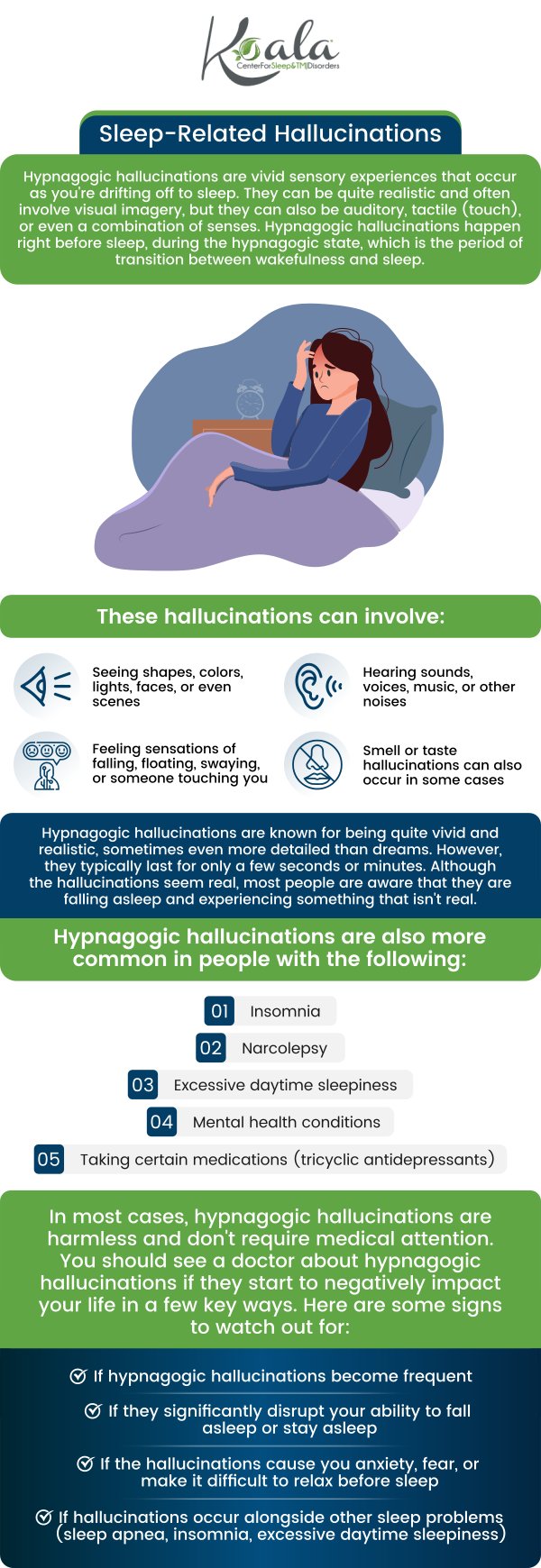
Table of Contents:
What are the most common causes of hypnagogic hallucinations?
Are hypnagogic hallucinations related to brain activity during sleep transitions?
Are frequent hypnagogic hallucinations a sign of a serious condition?
When should I see a sleep specialist in Wausau, WI for hypnagogic hallucinations?
How do doctors at Koala Center for Sleep Disorders of Wausau, Wisconsin, diagnose hypnagogic hallucinations?
Hypnagogic hallucinations are vivid, dream-like experiences that occur during the transition from wakefulness to sleep. At the Koala Center for Sleep Disorders, we see a variety of factors that can contribute to these unsettling occurrences. The most common causes include:
• Sleep deprivation: One of the leading causes of hypnagogic hallucinations, lack of sleep can overwhelm the brain, causing it to enter a state where dreams merge with wakefulness.
• Stress and anxiety: Emotional distress often disrupts the sleep cycle, leading to irregular sleep transitions where hallucinations may emerge.
• Narcolepsy: This neurological disorder is closely associated with hypnagogic hallucinations, often occurring alongside other symptoms like excessive daytime sleepiness and sudden sleep attacks.
• Sleep disorders: Conditions such as insomnia or sleep apnea cause fragmented sleep, which can increase the likelihood of hallucinations during transitions between sleep stages.
• Medication side effects: Certain medications, particularly those affecting the nervous system or sleep patterns, can trigger hallucinations during sleep onset.
By understanding these causes, our team at the Koala Center can work with you to identify the underlying factors contributing to your hallucinations and develop a personalized treatment plan.
Yes, hypnagogic hallucinations are directly related to brain activity during the sleep transition from wakefulness to sleep. At the Koala Center for Sleep Disorders, we explain that these hallucinations occur during the shift between wakefulness and light sleep, particularly when the brain is transitioning from beta waves (active wakefulness) to slower, dream-like alpha and theta waves. During this phase, known as sleep onset, the brain can become “partially awake,” leading to vivid hallucinations.
The neural activity during sleep transitions is typically characterized by increased activity in areas associated with sensory perception, while other areas associated with cognitive awareness may not yet be fully asleep.
Factors that influence these transitions include:
• Disrupted sleep cycles: Irregular or insufficient sleep can disturb the normal transition, making hallucinations more likely.
• Sleep disorders: Conditions like narcolepsy or insomnia may exacerbate these episodes due to abnormal brain activity during transitions.
• Stress and anxiety: Heightened emotional states can disrupt these transitions, increasing the likelihood of hallucinations.
Understanding this process is vital, and our team can help guide you through it to minimize these episodes.
Frequent hypnagogic hallucinations may not always signal a serious condition, but they should not be ignored. At the Koala Center for Sleep Disorders, we understand that while these hallucinations are common and often harmless, their frequency or association with other symptoms can indicate underlying health concerns.
If you experience frequent episodes, it could be a sign of one of the following:
• Sleep disorders: Conditions like narcolepsy, insomnia, or sleep apnea are often associated with more frequent and intense hallucinations. These conditions may interfere with the normal sleep cycle, leading to hallucinations during sleep onset.
• Mental health issues: Anxiety, depression, or high-stress levels can disrupt sleep patterns, leading to more frequent hallucinations.
• Neurological conditions: In rare cases, persistent hypnagogic hallucinations may be associated with conditions such as epilepsy or other brain-related disorders.
• Medication effects: Certain medications, especially those affecting the central nervous system, can increase the likelihood of these episodes.
At our clinic, we take these symptoms seriously. We recommend a thorough evaluation to determine if there is an underlying condition requiring treatment. Early intervention can help reduce the frequency of hallucinations and improve your overall sleep quality.
If you are experiencing hypnagogic hallucinations frequently, it’s important to seek professional help to rule out any underlying sleep disorders or health conditions. At the Koala Center for Sleep Disorders in Wausau, we recommend seeing a sleep specialist if:
• The hallucinations are frequent or intense: If you experience these episodes regularly, it could be a sign of a deeper issue that needs professional evaluation.
• Sleep quality is disrupted: If the hallucinations prevent you from falling asleep, cause significant distress, or result in disrupted sleep patterns, it is time to consult with a specialist.
• Associated symptoms: If you notice other symptoms such as sleep paralysis, excessive daytime sleepiness, or irregular breathing patterns during sleep (e.g., snoring or gasping), this could indicate sleep apnea or other conditions that require medical attention.
• Impact on mental health: If the hallucinations are causing anxiety, fear, or a negative impact on your mental well-being, addressing the issue with a sleep expert is crucial.
Our team at Koala Center for Sleep Disorders in Wausau is dedicated to diagnosing and treating sleep disorders. We provide a range of solutions to help you manage and reduce these symptoms, ensuring better overall health.
At the Koala Center for Sleep Disorders in Wausau, our diagnostic process for hypnagogic hallucinations is thorough and patient-centered. We start with an in-depth consultation to understand your medical history, lifestyle, and any potential triggers for your hallucinations. Our approach includes the following steps:
• Detailed patient history: We begin by discussing your sleep habits, stress levels, and any relevant medical conditions that may contribute to the hallucinations. Understanding your daily routines and sleep environment is key.
• Sleep studies: If necessary, we may recommend a polysomnography (sleep study) to monitor your brain activity, heart rate, and other vital signs during sleep. This can help us pinpoint any disruptions in your sleep cycles, such as sleep apnea or narcolepsy, that may be contributing to the hallucinations.
• Physical examination: A physical exam can help rule out any other medical conditions that may be causing or exacerbating your symptoms.
By using a combination of patient history, clinical evaluation, and diagnostic testing, we can accurately diagnose and tailor an effective treatment plan for managing hypnagogic hallucinations.
Check Out Our 5 Star Reviews


Additional Services You May Need
▸ KoalaKIDZzz®
▸ Sleep Apnea
▸ Snoring
▸ TMJ Disorder
▸ Fatigue
▸ Sleep Disorders
▸ Weight Loss
▸ CPAP Alternative
▸ Oral Appliances


 Send Text
 How May I Help You?