

When Should You See a Doctor for TMJ Symptoms in Peoria, IL?
Recognizing severe TMJ symptoms in Peoria, IL, is the crucial first step in understanding exactly when jaw pain requires a doctor’s care. If you are struggling with chronic discomfort, it is important to learn how our experienced team at Koala Center for Sleep Disorders evaluates TMJ to pinpoint the root cause of your condition. By seeking professional help, you can gain access to the top treatment options for TMJ and jaw pain in Peoria, allowing you to finally find lasting, comfortable relief. For more information, please contact us today or request an appointment online. We are conveniently located at 11825 N. State Rt 40, Ste 100, Dunlap, IL 61525.
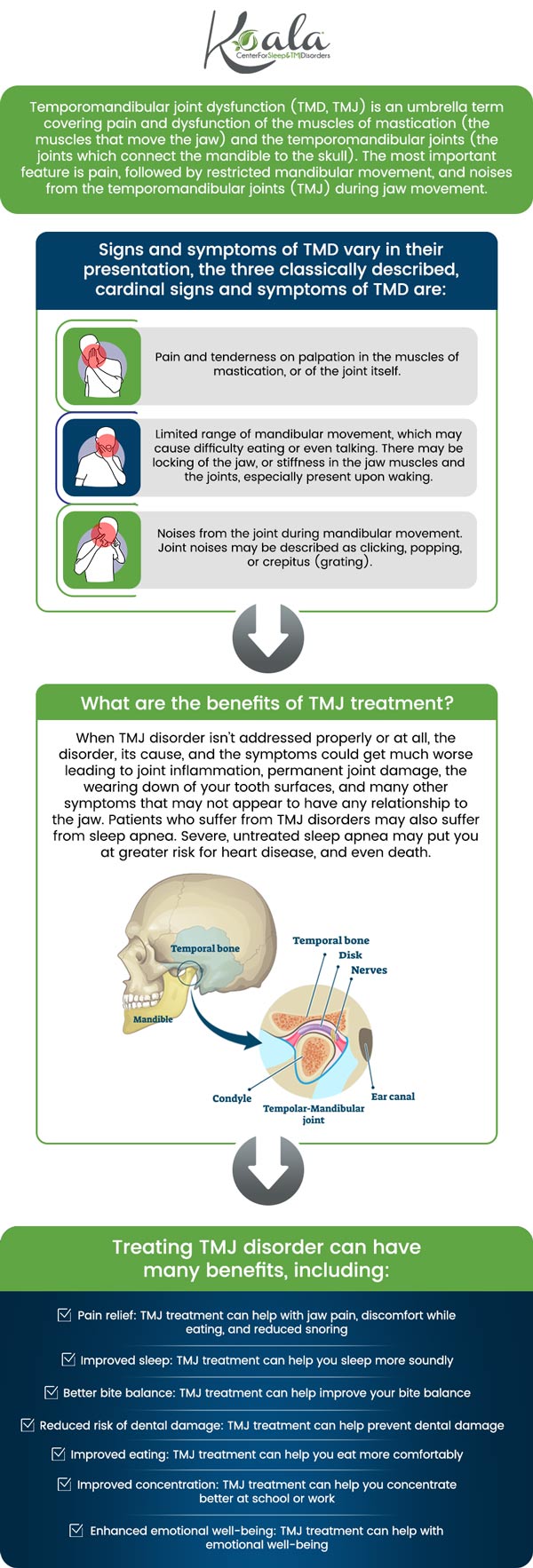
Table of Contents:
What are the warning signs of TMJ problems that require a doctor?
Can difficulty chewing or jaw locking require urgent TMJ care?
Can chronic jaw pain worsen if I delay seeing a doctor?
How severe should jaw pain be before visiting a TMJ specialist at Koala Center for Sleep Disorders?
Temporomandibular joint (TMJ) problems can cause a variety of symptoms that may impact your daily life and overall health—including your sleep quality. At Koala Center for Sleep Disorders, we understand that TMJ disorders are often linked with issues such as disrupted sleep, teeth grinding (bruxism), and sleep apnea. That’s why it’s important to recognize the warning signs that indicate you should see a specialist.
If you experience persistent jaw pain or tenderness, especially when chewing, speaking, or at night, it could be a sign of an underlying TMJ disorder. Difficulty or discomfort when opening or closing your mouth, or a sensation that your jaw feels stuck or “locked” in one position, are also important symptoms to address. Noticeable clicking, popping, or grating sounds in the jaw joint—especially if they are accompanied by pain or limited movement—should be evaluated by a healthcare professional experienced in TMJ and sleep disorders.
Other signs to watch for include swelling on the side of your face, frequent headaches, earaches, or pain that radiates around the ear, neck, or shoulders. These symptoms can often be related to TMJ issues and may also disrupt your sleep, leading to fatigue and other health problems. If you find it difficult to chew or bite, or if your teeth suddenly feel misaligned when you close your mouth, it’s important to consult a dentist or doctor who understands both TMJ and sleep health.
Severe pain, jaw dislocation, or inability to move your jaw are urgent situations that require immediate medical attention.
At Koala Center for Sleep Disorders, our team specializes in the diagnosis and treatment of TMJ disorders, especially as they relate to sleep quality and overall wellness. Early evaluation and intervention are essential to prevent symptoms from becoming more severe or leading to long-term complications.
Difficulty chewing or jaw locking can sometimes signal an urgent issue with the temporomandibular joint (TMJ), which is the hinge connecting your jaw to your skull. At Koala Center for Sleep Disorders, we recognize that TMJ disorders not only cause discomfort in the jaw but can also contribute to a range of sleep disturbances, headaches, and overall diminished quality of life. While occasional jaw discomfort is common, the sudden onset of severe jaw pain, inability to fully open or close your mouth, or a locked jaw that does not resolve within a few minutes may require prompt evaluation by a TMJ and sleep specialist.
These symptoms may be caused by TMJ disorders, joint dislocation, trauma, severe inflammation, or even infection. In rare cases, jaw locking with swelling, fever, or difficulty breathing or swallowing should be treated as a medical emergency. Persistent jaw locking or significant difficulty chewing can disrupt sleep and daily functioning, so it is important to seek specialized TMJ care. At Koala Center for Sleep Disorders, our team is experienced in diagnosing and treating TMJ disorders using a comprehensive, non-surgical approach that may include custom oral appliances, physical therapy, and lifestyle recommendations. Early intervention can help prevent worsening symptoms, joint damage, and sleep-related complications. If you are experiencing jaw pain or dysfunction, contact our office for an evaluation and let us help restore your comfort and sleep quality.
Yes, chronic jaw pain can worsen if you delay seeing a doctor. At Koala Center for Sleep Disorders, we understand that jaw pain is often linked to conditions such as temporomandibular joint disorders (TMJ), which can have a significant impact on your quality of life—especially your sleep. TMJ disorders and related jaw issues may contribute to sleep disturbances, headaches, teeth grinding (bruxism), difficulty chewing, and reduced jaw movement over time.
Jaw pain may also signal dental problems, arthritis, or even referred pain from underlying health conditions. If left untreated, these issues can progress and cause more serious complications. For example, TMJ disorders can lead to increased joint damage and persistent discomfort, while dental infections can spread and affect your overall health.
Delaying evaluation and treatment can make pain management more challenging and may worsen associated symptoms, including muscle tension, neck pain, earaches, and notably, disrupted sleep. Chronic pain and poor sleep can become a cycle that affects your mood, energy, and daily functioning.
At Koala Center for Sleep Disorders, our team specializes in diagnosing and treating TMJ disorders and sleep-related problems. Early intervention is key to preventing complications and improving long-term outcomes. If you have persistent or worsening jaw pain—especially if it affects your sleep—we encourage you to schedule an appointment with us. Our comprehensive approach will help identify the cause of your pain and provide effective, individualized treatment to restore your comfort and sleep quality.
Jaw pain can have many causes, ranging from minor issues like temporary muscle strain to more serious conditions involving the temporomandibular joint (TMJ). At Koala Center for Sleep Disorders, our team specializes in diagnosing and treating TMJ disorders, which are often linked to jaw pain and can even impact your sleep quality. If you experience mild jaw pain that comes and goes—especially after activities such as chewing gum, clenching your teeth, or grinding your teeth at night—simple home care like rest, gentle jaw exercises, and over-the-counter pain relief may help.
However, if your jaw pain becomes persistent, makes it difficult to eat, speak, or open and close your mouth, or is accompanied by symptoms such as clicking, popping, or locking of the jaw, it’s important to consult a TMJ specialist. Additional warning signs to watch for include swelling, frequent headaches, ear pain, or discomfort that radiates to your neck and shoulders. These symptoms can disrupt your nightly rest and overall well-being.
At Koala Center for Sleep Disorders, our experts understand the close connection between TMJ disorders, jaw pain, and sleep problems such as sleep apnea or teeth grinding (bruxism). If your jaw pain is moderate to severe, does not improve with home care, or is affecting your quality of life or sleep, professional evaluation and treatment are essential. For more information, please contact us today or request an appointment online. We are conveniently located at 11825 N. State Rt 40, Ste 100, Dunlap, IL 61525.
Check Out Our 5 Star Reviews


Additional Services You May Need
▸ KoalaKIDZzz®
▸ Sleep Apnea
▸ Snoring
▸ TMJ Disorder
▸ Fatigue
▸ Sleep Disorders
▸ Weight Loss
▸ CPAP Alternative
▸ Oral Appliances


 Send Text
 How May I Help You?