

What Does a Sleep Deprivation Headache Feel Like?
Sleep deprivation, also known as sleeplessness or lack of sleep, is a common occurrence among adults in the United States. It is defined as a state of not getting enough sleep, which can be caused by several factors, ranging from work or school obligations to high stress levels or even medical conditions. If you or someone you know is suffering from sleep deprivation, come to Koala® Center For Sleep & TMJ Disorders and talk to our providers. For more information, contact us or visit us online to book an appointment. We have convenient locations across the U.S. in Bloomington IL, Peoria/Dunlap IL, El Paso TX, and Wausau WI.
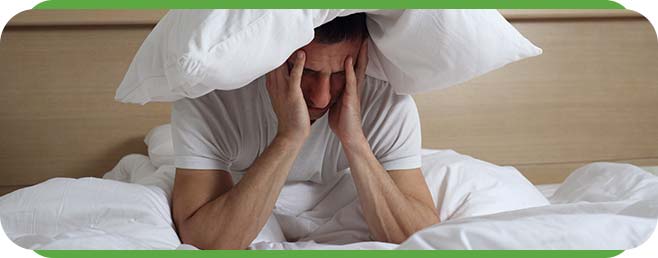

Table of Contents:
Can you experience headaches from lack of sleep?
What does a sleep deprivation headache feel like?
How do you fix sleep deprivation headaches?
How many hours of sleep do you need to stop a headache?
How can sleep deprivation trigger headaches, and how can the team at Koala Center for Sleep Disorders manage them?
It is reported that lack of sleep can cause a range of side effects, ranging from fatigue and difficulty concentrating to long-term health problems such as hypertension and diabetes. In addition, it is suggested that sleep deprivation can cause headaches due to the stress it puts on the body.
Sleep deprivation is a condition where an individual is not getting an adequate amount of sleep. It is believed that lack of sleep can lead to various medical issues, including headaches. According to research, sleep deprivation can cause headaches due to decreased neural plasticity in the brain. This is because when someone gets too little sleep, the brain does not have enough time to rest and repair itself, which leads to less-regulated neural pathways, resulting in headaches.
In addition to the direct impact on the brain, sleep deprivation also affects the body’s ability to regulate stress and manage pain. Without sufficient rest, the body produces higher levels of stress hormones like cortisol, which can increase tension and contribute to the development of headaches. Furthermore, inadequate sleep can heighten pain sensitivity, making even mild discomfort feel more intense. If you experience frequent headaches due to lack of sleep, it’s crucial to prioritize healthy sleep habits. At Koala Center for Sleep Disorders, our team can help identify underlying sleep issues and offer personalized solutions to improve your rest, ultimately reducing the frequency and intensity of sleep-related headaches.
Several different kinds of headaches can be caused by sleep deprivation, such as tension headaches, migraines, hypnic headaches, and cluster headaches. Due to this wide variance, a headache caused by lack of sleep can feel very different from one person to the next. The following are common headaches caused by sleep deprivation, and the symptoms most associated with them:
– Migraines:
– Extreme pain on one side of the head
– Vomiting
– Nausea
– Visual disturbances
– Sound sensitivity
– Dizziness
– Tension headaches:
– Dull tightening or pressure
– Starts at the forehead and circles around to the back of the head
– Occurs on both sides of the head
– Cluster headaches:
– Severe head pain around the eye area
– Usually occur in the evening or morning
– Can be extremely painful
– Often lasting five minutes to two hours
– Hypnic headaches:
– Can awaken the person
– Strike around the same time at night
– Shorter in duration
The fix for sleep deprivation headaches varies depending on the type of headache caused by the lack of sleep. However, in general, there are several at-home remedies and lifestyle adjustments that can help provide quick and effective relief, as well as long-term prevention. These include:
– Get active
– Always stay hydrated
– Use feverfew
– Increase your ginger and magnesium intake
– Get a massage
– Apply peppermint oil or lavender oil
When you have a headache, oftentimes the only desire is to lie down and close your eyes, hopefully getting some rest. That is because sleep can often cure a headache, as when you wake up, there is a significant reduction of tension and achiness, or even a complete amelioration of symptoms. The best way to ensure that you are getting enough rest is to sleep for around 7 to 9 hours, which should be ample to stop your headache. However, if you regularly experience a headache upon awakening, you may have sleep apnea, which often causes migraines due to restricted airflow and oxygenation. If this is the case, you should schedule a consultation with our dedicated sleep team.
If you’re struggling with headaches that don’t seem to improve with sleep, it could be a sign of an underlying issue like sleep apnea or another sleep disorder. Sleep apnea, in particular, disrupts the quality of sleep by causing frequent awakenings during the night due to restricted airflow, which can lead to morning headaches and migraines. It’s important to pay attention to the frequency and nature of your headaches. If they are persistent or accompanied by other symptoms like snoring, choking, or gasping during sleep, it’s time to seek professional help. At Koala Center for Sleep Disorders, our team can help identify the root causes of your sleep disturbances and create a personalized treatment plan to help you get better rest and ultimately reduce your headaches.
A sleep deprivation headache typically feels like a dull, constant pressure or throbbing, often around your forehead or temples. This headache usually starts after a poor night’s sleep or a pattern of insufficient rest. The pain may gradually intensify throughout the day, making it difficult to focus or complete daily tasks. It’s often accompanied by feelings of fatigue, irritability, and trouble concentrating.
Unlike tension headaches, sleep deprivation headaches are directly linked to the body’s lack of restorative sleep. They can make you more sensitive to light and sound, and physical activity can worsen the discomfort. The brain and body struggle to function optimally without adequate sleep, resulting in head pain as a symptom of the imbalance.
If you’re frequently experiencing headaches due to sleep deprivation, it’s important to seek professional help. At Koala Center for Sleep Disorders, our team of experts specializes in diagnosing and treating sleep-related issues. Come to Koala® Center For Sleep & TMJ Disorders for effective relief from sleep deprivation headaches. For more information, contact us or visit us online to book an appointment. We have convenient locations across the U.S. in Bloomington IL, Peoria/Dunlap IL, El Paso TX, and Wausau WI.

Additional Services You May Need
▸ KoalaKIDZzz®
▸ Sleep Apnea
▸ Snoring
▸ TMJ Disorder
▸ Fatigue
▸ Sleep Disorders
▸ Weight Loss
▸ CPAP Alternative
▸ Oral Appliances


 Send Text
 How May I Help You?