

Can Sleep Disorders Cause Mind Racing? Help in Wausau, WI
A racing mind at night is often dismissed as pure anxiety, but it is frequently a direct physiological symptom of an underlying sleep disorder. When conditions like obstructive sleep apnea or chronic snoring disrupt your breathing, your brain experiences sudden drops in oxygen. This triggers a panic response in your nervous system, flooding your body with cortisol and adrenaline. Instead of transitioning into restful sleep, your brain is jolted into a state of hyperarousal, leading to uncontrollable racing thoughts, nocturnal anxiety, and insomnia. If you are struggling to quiet your mind at night, the specialized team at Koala® Center For Sleep & TMJ Disorders in Wausau, WI, can help. For more information, please contact us today or request an appointment online now! We are conveniently located at 413 North 17th Avenue Ste 100 Wausau, WI 54401.
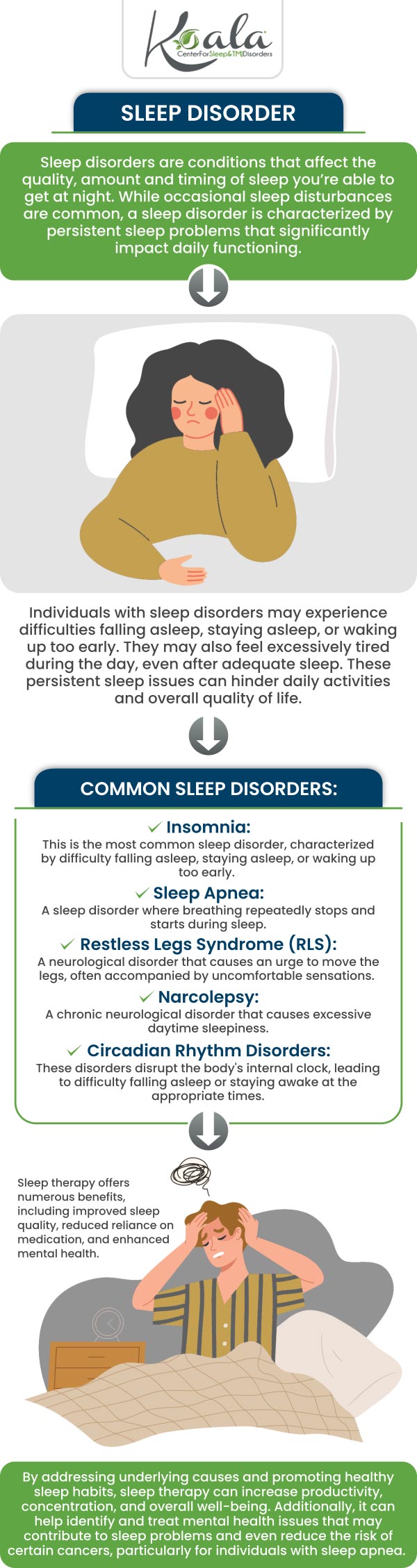
Table of Contents:
What causes racing thoughts before sleep?
How does stress contribute to racing thoughts at night?
Is a racing mind a symptom of insomnia?
What are the best strategies for calming a racing mind before sleep?
How does Koala® Center For Sleep & TMJ Disorders treat sleep-induced racing thoughts in Wausau, WI?
At Koala® Center For Sleep & TMJ Disorders, we understand that racing thoughts before sleep, or nocturnal rumination, can significantly impact your quality of life. Our specialized approach focuses on identifying and treating the underlying causes of these disruptive thoughts, which may include:
● Stress and Anxiety Management: Anxiety is a common trigger for racing thoughts, often exacerbated by stressors such as work, relationships, or financial concerns. Techniques to manage stress and anxiety may include cognitive-behavioral therapy (CBT), mindfulness, and relaxation exercises specifically designed to deactivate the sympathetic nervous system.
● Addressing Mental Health Disorders: Conditions like generalized anxiety disorder, panic disorder, or depression can contribute to an overactive mind. Comprehensive assessments to identify these disorders and collaborating with mental health professionals is important to create integrated treatment plans that may include therapy, medication, or lifestyle modifications.
● Sleep Pattern and Circadian Rhythm Support: Irregular sleep patterns and circadian rhythm disruptions can perpetuate racing thoughts. We offer guidance on establishing regular sleep schedules, optimizing sleep hygiene, and addressing factors like shift work or jet lag that may interfere with your sleep-wake cycle.
● Cognitive Function Assessment: For individuals with conditions such as ADHD or OCD, assessments to understand how these may impair cognitive function and contribute to racing thoughts are completed. Tailored interventions are offered to help manage these challenges and improve sleep quality.
● Lifestyle and Environmental Adjustments: Our experts assist in creating a sleep-friendly environment, recommending changes to improve comfort and reduce noise or light disturbances. We also emphasize the role of physical activity and its positive impact on sleep regulation.
At Koala® Center For Sleep & TMJ Disorders, our holistic approach is dedicated to helping you overcome racing thoughts and achieve the restful sleep you deserve. By understanding and addressing the multifaceted causes of nocturnal rumination, we empower you to take control of your sleep health.
When stress triggers the release of hormones such as adrenaline and cortisol, it prepares the body to respond to perceived threats, increasing alertness and energy levels. While beneficial in short bursts, prolonged stress can lead to a state of heightened arousal, persisting even when the stressor is no longer present. This heightened state can disrupt sleep patterns and exacerbate TMJ symptoms, such as jaw clenching or grinding (bruxism), which are often linked to stress.
At night, the lingering effects of stress can interfere with the body’s natural transition to rest. This can lead to persistent, repetitive thoughts that manifest as worry or anxiety, particularly in the quiet and darkness conducive to sleep. Additionally, stress can disrupt neurotransmitters like serotonin and melatonin, which regulate mood and sleep, further complicating sleep issues and potentially worsening TMJ pain and discomfort.
If racing thoughts and TMJ issues persist, consulting with the experts at the Koala® Center For Sleep & TMJ Disorders can help develop a comprehensive treatment plan. Our holistic approach, combining relaxation techniques, lifestyle adjustments, and professional support, aims to mitigate stress’s impact on sleep and TMJ disorders, improving overall well-being.
Mind racing often stems from overactivity in the brain’s frontal lobe, particularly the prefrontal cortex, which is essential for planning, decision-making, and self-control. This overactivity can hinder the transition into a restful state, activating the body’s stress response and making it difficult to achieve the calmness needed for sleep. The resulting anxiety about not being able to sleep can exacerbate racing thoughts, perpetuating a cycle of insomnia.
In addition to impacting sleep, mind racing can also be linked to temporomandibular joint (TMJ) disorders. Stress and anxiety from racing thoughts may lead to teeth grinding or jaw clenching, common symptoms of TMJ disorders. This can further disrupt sleep and exacerbate insomnia, creating a complex interplay between mind racing, insomnia, and TMJ conditions.
At Koala® Center For Sleep & TMJ Disorders, we take a comprehensive approach to addressing these interconnected issues. Our team offers a combination of therapies and treatments tailored to your unique needs.
At Koala® Center For Sleep & TMJ Disorders, we understand the intricate relationship between sleep, TMJ disorders, and a racing mind. Addressing sleep disturbances is essential for managing TMJ disorders, as quality rest is crucial for healing and reducing tension. Here are some specialized strategies to help calm a racing mind and promote restful sleep, particularly beneficial for those dealing with sleep and TMJ disorders.
Cognitive Calming Techniques:
● Mindful Meditation for TMJ Relief: Practice mindfulness by focusing on your breath and relaxing your jaw. This can help alleviate TMJ-related tension and reduce anxiety that disrupts sleep.
● Body Scan Meditation with Jaw Focus: During your body scan, pay special attention to the jaw area. Consciously release any tension to ease discomfort associated with TMJ disorders.
● Gratitude Journaling for Stress Reduction: Reflect on positive aspects of your day, which can diminish stress and anxiety levels, potentially reducing TMJ symptoms.
Behavioral Strategies:
● Consistent Sleep Schedule for TMJ Management: Regular sleep patterns can help reduce stress and muscle tension, which are often exacerbated by irregular sleep, impacting TMJ disorders.
● Calming Bedtime Routine with Jaw Relaxation: Incorporate jaw-friendly activities like gentle facial massages or relaxation exercises to signal your body that it’s time to unwind.
● Avoid Caffeine and Alcohol for TMJ Health: These can increase muscle tension and jaw clenching. Opt for herbal teas known for their relaxing properties.
Physical Relaxation Techniques:
● Deep Breathing with Jaw Relaxation: Slow, deep breaths combined with conscious jaw relaxation can help manage TMJ discomfort while promoting calmness.
● Progressive Muscle Relaxation with TMJ Focus: Tense and relax muscle groups, paying particular attention to the jaw, to alleviate tension and foster relaxation.
● Warm Bath with Epsom Salts: Epsom salts can help reduce muscle tension and promote relaxation, aiding those with TMJ disorders in achieving better sleep.
Additional Considerations:
● Limit Screen Time and Jaw Clenching: Avoid screens and be mindful of not clenching your jaw during evening hours to support a natural sleep-wake cycle and reduce TMJ stress.
● Create a Sleep-Conducive Environment: Ensure your sleep environment supports relaxation by minimizing noise and light, which can exacerbate TMJ symptoms.
● Journaling for Mental Clarity: Write down your thoughts to process worries, which can be particularly beneficial for those experiencing stress-related TMJ issues.
● Seek Professional Help for TMJ and Sleep Disorders: If racing thoughts and TMJ symptoms persist, consider consulting with our providers at the Koala® Center For Sleep & TMJ Disorders for comprehensive management strategies.
By integrating these strategies into your routine, you can address both sleep disturbances and TMJ disorders, paving the way for a restful and restorative slumber. Remember, managing a racing mind and TMJ requires patience and consistency.
At Koala® Center For Sleep & TMJ Disorders in Wausau, WI, our sleep doctors treat nighttime racing thoughts by directly addressing the physical airway obstructions that trigger them. Many patients do not realize that a racing mind is often a neurological stress response to obstructive sleep apnea. When your airway collapses during sleep, your brain is starved of oxygen, instantly activating your body’s “fight or flight” survival mechanism. This sudden surge of adrenaline and cortisol forces your brain into a state of high alert, making it impossible to relax and causing rapid, uncontrollable thoughts.
Rather than masking this biological anxiety with heavy sleep medications, our Wausau clinical team utilizes custom-fitted oral appliance therapy. This comfortable, non-surgical device gently shifts your lower jaw forward to keep your airway open all night. By ensuring a steady, uninterrupted flow of oxygen to your brain, we naturally deactivate your nervous system’s stress response. This physical correction effectively calms your racing mind, allowing patients in the Wausau area to finally enjoy peaceful, uninterrupted, and deeply restorative sleep. For more information, please contact us today or request an appointment online now! We are conveniently located at 413 North 17th Avenue Ste 100 Wausau, WI 54401.

Additional Services You May Need
▸ KoalaKIDZzz®
▸ Sleep Apnea
▸ Snoring
▸ TMJ Disorder
▸ Fatigue
▸ Sleep Disorders
▸ Weight Loss
▸ CPAP Alternative
▸ Oral Appliances


 Send Text
 How May I Help You?